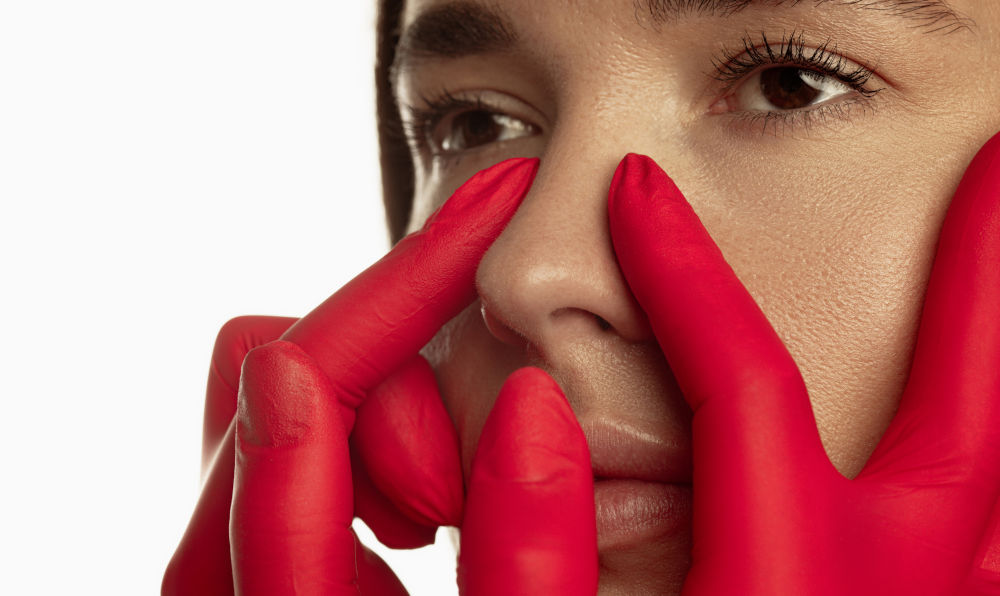
Silicone, Cartilage, or Gore-Tex: Choosing the Best Nose Implant for Rhinoplasty
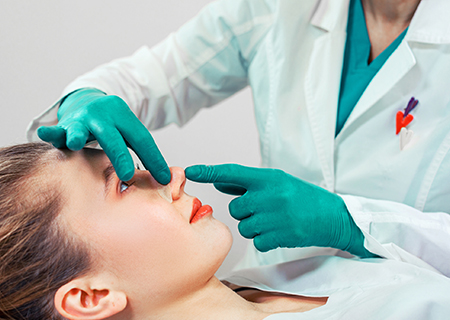
There is no universal “best” nose implant for rhinoplasty. Silicone, cartilage, and Gore-Tex can all be used to build or refine the nasal bridge, but they behave very differently once they are inside the nose. The right choice depends on skin thickness, nasal structure, ethnic features, previous surgery, breathing function, and how much change the tissues can safely support.
Blog Categories
- Facelift (7)
- Facial Cosmetic Surgery For Men (3)
- Age-Specific Cosmetic Solutions (4)
- Expert Advice (14)
- Dermal Fillers - Restylane Gel Treatment (3)
- Cosmetic Chin & Neck Liposuction (2)
- Fraxel Laser Skin Resurfacing (1)
- Cosmetic Ear Correction (5)
- Rhinoplasty Recovery Guide (7)
- Eyelid Blepharoplasty (2)
- Eyebrow & Forehead Lift Cosmetic Surgery (2)
- Rhinoplasty (41)
- Trends in Cosmetic Surgery (6)
- Mole Removal & Scar Revision Cosmetic (5)
- Cheek & Chin Fat Reduction (5)
- Skin Peels Treatment (2)
- Neck Lift Surgery (2)
- Laser Hair Removal (1)
- Laser Skin Treatment & Therapy (2)
- Wrinkles Reduction Laser Treatment (2)
- AlumierMD Skin Care (9)

Male Rhinoplasty in Calgary: A Different Approach for a Different Anatomy
Male rhinoplasty is not simply rhinoplasty performed on a male patient. The goals, anatomy, proportions, and surgical judgment are often different. Many men want a straighter bridge, a stronger profile, better breathing, or correction after an old injury — without looking “done.” A good result usually protects the features that keep the face masculine while correcting the parts of the nose that feel too prominent, crooked, heavy, or obstructed.

Crooked Nose? What Rhinoplasty Can and Can’t Fix
A crooked nose does not mean someone had a bad nose job. Many people have never had nasal surgery and still notice that the nose pulls to one side, bends through the bridge, twists at the tip, or looks uneven in photos. This article is for people considering crooked nose rhinoplasty for the first time. It is not about revision surgery after a previous rhinoplasty. That is a different situation, with different tissue behaviour, scar tissue, and planning concerns.
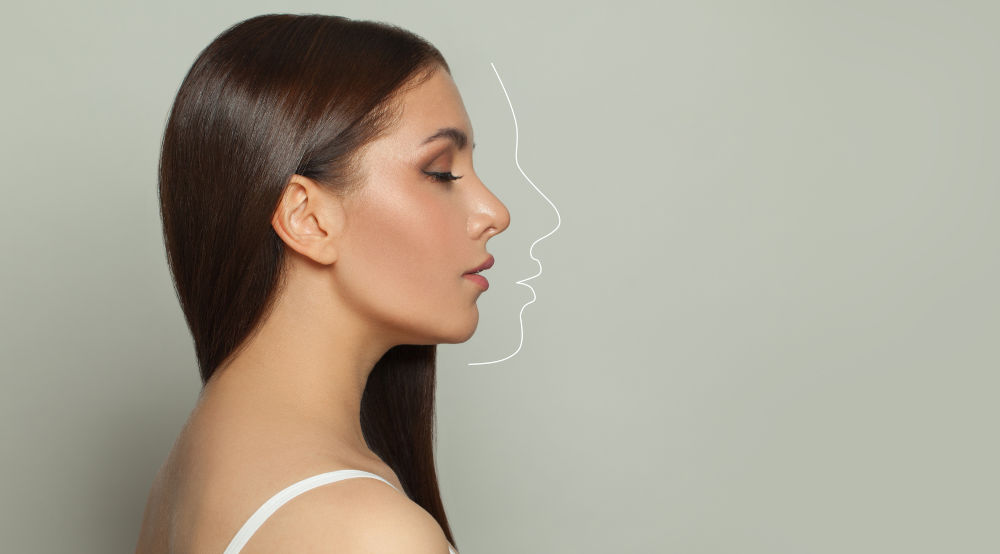
Bulbous Nose Rhinoplasty: What Can Actually Be Refined?
A bulbous nose usually means the nasal tip looks round, full, wide, or poorly defined. Rhinoplasty can often improve that shape, but the nose has to be assessed properly first. A rounded tip may come from broad cartilage, thick skin, weak support, excess soft tissue, nostril width, or a low bridge that makes the tip look heavier than it really is.
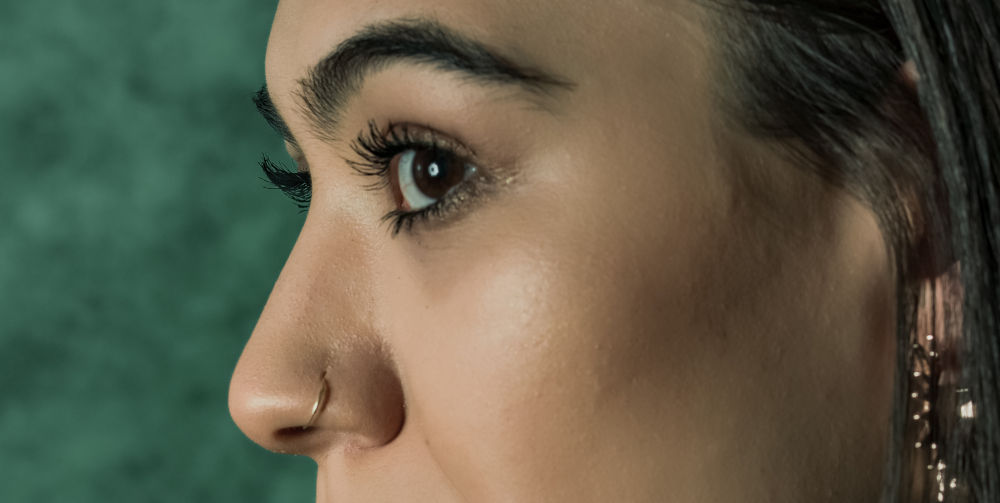
Can You Get a Nose Job If You Have a Piercing?
Yes, you can usually have a nose job if you have a nose or septum piercing. The rhinoplasty, but the jewelry will need to be removed for surgery. Its location, age, condition, and the changes planned for your nose can affect whether the piercing stays in the same position, closes, or needs to be redone after recovery.

Why Older Adults Get Rhinoplasty
Rhinoplasty is not only a procedure for people in their 20s or 30s. Adults in their 50s, 60s, and beyond may consider nose surgery because the nose itself has changed with age, an old injury has become more noticeable, breathing has become more difficult, or they have simply decided to address a feature that has bothered them for many years. Age matters when planning surgery, but it is not the same thing as being unsuitable for it.

40 Is the New 20? How to Look Your Youngest Without Looking Overdone
Looking younger after 40 is not about chasing a 20-year-old face. It is about restoring the features that make the face look rested, healthy, and balanced: smoother skin, clearer facial contours, brighter eyes, better cheek support, a cleaner jawline, and a neck that still matches the face. Skincare and sun protection help preserve skin quality. Injectables and laser treatments can soften early changes. Surgery, such as facelift, neck lift, eyelid surgery, brow lift, or chin augmentation, may be more appropriate when loose skin, heavy eyelids, jowls, or neck laxity are the main concerns.
The Dos and Dont’s of Blepharoplasty
Blepharoplasty can make the eye area look lighter, clearer, and less tired, but the recovery is not just a small detail after the surgery. How you prepare, how you rest in the first few days, how you protect your eyes, and how patient you are with swelling all affect the final result.
What to Eat After Rhinoplasty
After rhinoplasty, eating becomes more about comfort than rules. For the first few days, most patients naturally lean toward soft, simple food — not because they have to, but because anything else just feels like effort. If meals are easy to chew, not too salty, and you’re drinking enough fluids, you’re already doing most of what matters. The rest is just easing back into normal eating without pushing it too early.