Is Surgery Required to Straighten a Broken Nose?
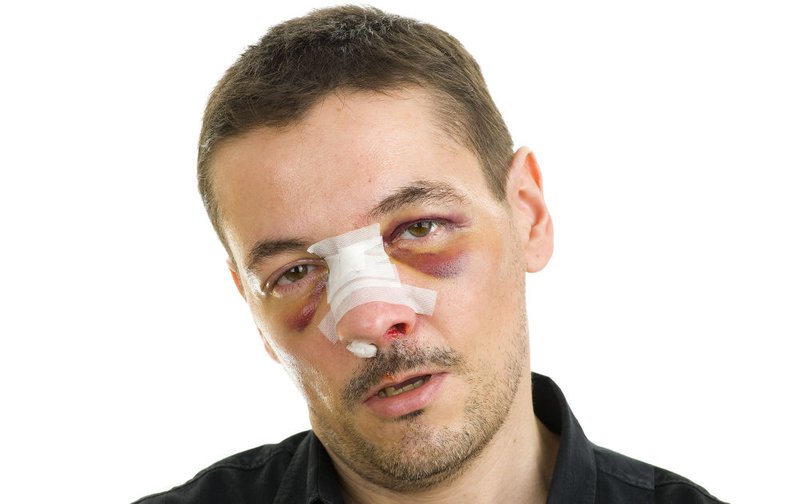
No. Surgery is not always required to straighten a broken nose. Some nasal fractures can be corrected without surgery if they are treated early and if the nasal bones are displaced but still mobile. Surgery becomes necessary when the fracture is complex, treatment is delayed, the nose heals in a crooked position, or breathing function is affected. The decision depends on anatomy, timing, and internal support…not on pain, bruising, or appearance alone.
Table of contents
- What doctors mean by a “broken nose”
- Why broken noses behave differently from other fractures
- The first two weeks after injury
- How swelling complicates early decisions
- When non-surgical correction is possible
- What closed reduction actually corrects
- Situations where surgery is unavoidable
- Functional correction versus appearance correction
- Septal injury and breathing problems
- What happens if a broken nose heals untreated
- Timing windows and missed opportunities
- Recovery differences between treatments
- Risks that are specific to nasal fracture correction
- When delaying treatment is the safer choice
- How surgeons evaluate a previously broken nose
- Questions worth asking before deciding
- Extended FAQs
- References
What doctors mean by a “broken nose”
A broken nose refers to a fracture of the nasal bones, often combined with injury to cartilage and internal support structures. Because the nose projects from the face and absorbs impact easily, it is the most commonly fractured facial structure.
Not all nasal fractures are dramatic. Some involve:
- Hairline cracks that do not shift the bones
- One-sided displacement
- Collapse of cartilage without obvious bone break
- Internal septal injury that is invisible externally
People also search
A nose can look swollen and bruised but be structurally intact. The opposite is also true: a nose can look relatively normal while internal alignment is compromised.
Why broken noses behave differently from other fractures
Unlike long bones, the nose is a composite structure. Bone, cartilage, mucosa, and airflow pathways all interact. This makes nasal fractures unpredictable.
Key differences:
- Nasal bones are thin and heal quickly
- Cartilage bends rather than fractures cleanly
- Internal swelling can mask obstruction
- Small misalignments can have outsized effects on airflow
Because of this, treatment decisions are rarely straightforward in the first few days.
The first two weeks after injury
The early post-injury period is critical.
During the first 7–14 days, nasal bones remain mobile. This is the only window when non-surgical realignment may be possible. After this period, bones begin to set in their new position.
However, early assessment is often misleading because:
- Swelling distorts appearance
- Bruising hides asymmetry
- Pain limits examination
For this reason, reassessment once swelling begins to subside is often necessary before making a final decision.
How swelling complicates early decisions
Swelling does more than obscure appearance. It can:
- Temporarily block airflow
- Make the nose appear more crooked than it is
- Hide underlying displacement
This is why immediate decisions made in emergency settings are sometimes revised days later. A nose that appears badly deviated on day one may look significantly different by day five.
Patience during this phase can prevent unnecessary intervention.
When non-surgical correction is possible
Non-surgical correction is possible only in specific circumstances.
It may be considered when:
- The fracture is recent
- Nasal bones are displaced but still mobile
- Cartilage support remains intact
- There is no significant septal deviation
- Breathing is acceptable once swelling decreases
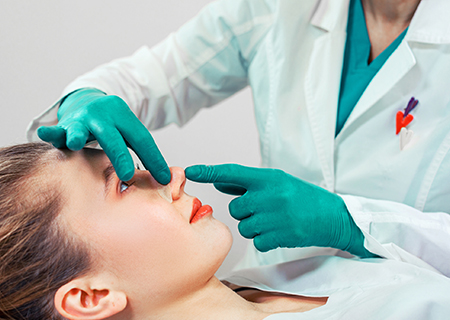
In these cases, realignment may be performed without incisions.
What closed reduction actually corrects
Closed reduction is often misunderstood.
It involves manually repositioning the nasal bones to their original alignment. It does not reshape cartilage, refine contours, or correct long-standing deviations.
| Aspect | Closed reduction |
|---|---|
| Incisions | None |
| Timing | Within 1–2 weeks |
| Bone alignment | Corrected |
| Cartilage damage | Limited correction |
| Cosmetic refinement | No |
Its purpose is structural realignment, not aesthetic improvement.
Situations where surgery is unavoidable
Surgery becomes necessary when structural problems cannot be addressed externally.
This includes:
- Fractures treated after bones have healed
- Severe displacement or comminution
- Collapsed internal nasal valves
- Significant septal deviation
- Combined cosmetic and functional concerns
At this stage, correction requires surgical exposure and reconstruction, not manipulation alone.
Functional correction versus appearance correction
Straightening a broken nose is rarely purely cosmetic or purely functional.
Functional correction focuses on:
- Restoring airflow
- Stabilizing internal support
- Correcting septal deviation
Appearance correction focuses on:
- External alignment
- Profile balance
- Symmetry
| Aspect | Functional focus | Appearance focus |
|---|---|---|
| Primary goal | Breathing | Visual alignment |
| Structures | Septum, valves | Bone, cartilage |
| Often combined | Yes | Yes |
Separating these goals is often artificial. Structural support affects both.
Septal injury and breathing problems
The septum plays a central role in both airflow and nasal stability. Septal injury is common in nasal trauma and is a frequent reason surgery becomes necessary.
Signs of septal involvement include:
- Persistent obstruction after swelling subsides
- One-sided airflow limitation
- Recurrent sinus symptoms
Ignoring septal injury can lead to long-term breathing problems even if the external nose appears straight.
What happens if a broken nose heals untreated
Some untreated fractures heal without consequence. Others do not.
Possible long-term outcomes include:
- Permanent deviation
- Chronic nasal obstruction
- Recurrent sinus infections
- Increased complexity if surgery is later required
Once bones heal in a crooked position, correction becomes more invasive.
Timing windows and missed opportunities
Timing influences both treatment options and outcomes.
| Time since injury | Typical options |
|---|---|
| 0–14 days | Assessment, possible closed reduction |
| 2–6 weeks | Observation, limited intervention |
| 3+ months | Surgical correction if needed |
Missing the early window does not eliminate options, but it changes them.
Recovery differences between treatments
Recovery varies significantly depending on treatment.
After observation
- Swelling resolves gradually
- No procedural recovery
- Final appearance may not change
After closed reduction
- External splint for about 2 weeks
- Bruising and swelling decrease quickly
- Return to routine activity within days
After surgery
- Longer swelling phase
- Activity restrictions
- Gradual refinement over months
Risks that are specific to nasal fracture correction
Each approach carries different risks.
| Approach | Primary risks |
|---|---|
| Observation | Persistent deformity |
| Closed reduction | Incomplete correction |
| Surgery | Revision, prolonged swelling |
Risk increases when anatomy is unstable or expectations are unrealistic.
When delaying treatment is the safer choice
Immediate intervention is not always best.
Delay may be appropriate when:
- Swelling prevents accurate assessment
- Other facial injuries require attention
- Infection or bleeding must resolve
Intentional delay with planned reassessment is different from neglect.
How surgeons evaluate a previously broken nose
Evaluation includes:
- External alignment
- Internal airflow
- Septal position
- Skin thickness
- Scar tissue from prior injury
This assessment determines whether correction is feasible and what approach is appropriate.
Questions worth asking before deciding
- Are the nasal bones displaced or just swollen?
- Is the septum involved?
- What happens if no treatment is done?
- Can breathing improve without surgery?
- What are the limits of correction in my case?
These questions clarify expectations.
Frequently Asked Questions
Can a broken nose straighten on its own?
Yes, if the fracture is minor and not displaced. Displaced fractures usually do not self-correct.
Does pain mean surgery is required?
No. Pain reflects injury, not alignment or function.
Can breathing issues appear later?
Yes. Swelling can temporarily mask obstruction.
Is surgery only cosmetic?
No. Many procedures are done primarily to restore airflow.
What if I missed the early treatment window?
Surgery may still be effective, but it is more involved.
Are children treated differently?
Yes. Growth considerations affect timing and technique.
Can a crooked nose affect sleep?
Yes. Nasal obstruction can worsen snoring and sleep quality.
How long should I wait before deciding on surgery?
If surgery is not urgent, evaluation is often done after healing stabilizes.
Is revision common?
Revision is possible, especially after severe trauma.
Will the nose ever feel normal again?
Yes. Sensation and stiffness improve gradually over months to years.
References
- Health Canada — cosmetic and surgical safety guidance
- National Institutes of Health (NIH) , PubMed — peer-reviewed facial plastic surgery literature
Bottom line:
A broken nose does not automatically require surgery. Early assessment determines whether non-surgical correction is possible. When structure or breathing is compromised — or when healing has already occurred — surgery may be the appropriate path. The correct decision depends on anatomy, timing, and function, not urgency or appearance alone.