Correcting a Receding Chin: Causes, Anatomy, and the Most Reliable Treatments
A receding chin, called retrogenia, comes from either the position of the chin bone, the way the teeth meet, or age-related changes in the lower face. Treatment is highly individual. It ranges from simple contouring to full skeletal correction when the jaw is involved.
Table of Contents
- What a “weak chin” really means
- How retrogenia develops
- Chin projection and overall facial balance
- Overbite vs. true retrogenia
- Common anatomical patterns
- Who is most prone to recession
- Treatment categories
- Detailed corrective options
- Choosing the right approach
- Q&A
- References
1. What a “weak chin” really means
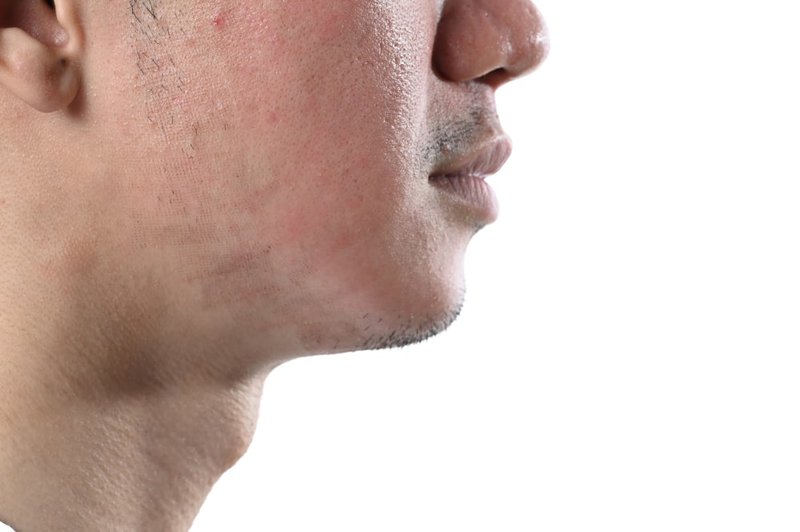
People usually notice a weak chin from the side. The profile looks soft, the jawline blends into the neck, and the chin sits further back than expected. Some patients come in thinking their nose is too large, when it's the chin that is underprojected.
The medical term for this backward position is retrogenia. Sometimes the bone sits back. Sometimes the dental relationship pushes it back visually. And in many middle-aged patients, the bone is fine but the soft tissue overlying it has thinned or descended.
People also search
Each scenario requires a different correction.
2. How retrogenia develops
Three mechanisms appear again and again.
Bone position
The most straightforward cause is the position of the bony chin. The chin is part of the mandible, and the amount of forward projection varies widely from one person to another. Genetics dictates most of this.
Jaw relationship
A Class II bite: upper teeth forward, lower jaw sitting back, makes the chin look smaller even when the chin bone itself is normal. Many people blame the chin, although the real cause is the skeletal relationship between the upper and lower jaws.
Age-related change
Bone does remodel with age. It is subtle but real. The chin can shorten vertically and rotate slightly backward. The soft tissue over it also becomes less firm. Together these changes produce the “aging chin” that wasn’t present earlier in life.
3. Chin projection and overall facial balance
A chin isn’t assessed in isolation. A surgeon compares it to the nose, lips, and cervical angle. All of these contribute to what we perceive as a balanced face.
A small chin can:
- shorten the lower third of the face
- make the jawline look weak
- exaggerate neck fullness
- make the nose look more prominent
- increase the curve of the profile
A precise correction often improves several areas at once, especially the jawline and neck.
4. Overbite vs. true retrogenia
Patients often assume they have a weak chin when the real issue is an overbite. Distinguishing the two is essential because the treatments differ dramatically.
| Feature | Retrogenia | Overbite / Class II |
|---|---|---|
| Main issue | Chin bone sits back | Upper teeth/jaw sit forward, or lower jaw sits back |
| Bite | Often normal | Usually misaligned |
| Best correction | Implant or sliding genioplasty | Orthodontics ± jaw surgery |
| Chin filler usefulness | Good temporary option | Limited if jaw is retruded |
In some patients, both problems exist. In that situation, treatment is staged. The jaw relationship is addressed first, and the chin refined afterward.
5. Common anatomical patterns
During consultation, several patterns repeat themselves.
Short lower third
The chin lacks both projection and vertical height. These patients often look younger than their age because the lower face is compressed.
Normal height, poor projection
Probably the most common pattern. The face is proportionate vertically but the chin sits back.
Recession with pre-jowl fullness
Soft tissue gathers beside the chin, producing early jowls. Even a small augmentation can clean the jawline dramatically.
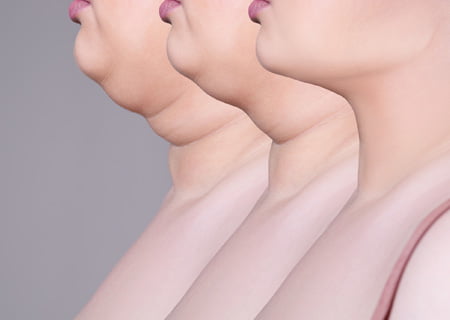
Recession with submental fullness
Excess fat or laxity under the chin makes the recession appear more pronounced.
Recession plus overbite
Here, the dental relationship contributes as much as the chin bone.
Knowing which of these patterns is present directs the treatment plan.
6. Who is most prone to recession
| Factor | Notes |
|---|---|
| Genetics | Most recessions are inherited. |
| Underdeveloped mandible | Common in families. |
| Dental malocclusion | Changes how the chin is perceived. |
| Long-term mouth breathing | Can influence jaw growth in childhood. |
| Aging | Soft-tissue descent and bony remodeling worsen mild retrogenia. |
Even mild recession can look more dramatic after weight loss or as soft tissue thins with age.
7. Treatment categories
Every treatment for a receding chin falls into one of three categories:
- Volume or projection enhancement (filler, implant, or bone advancement)
- Skeletal repositioning (genioplasty or full jaw advancement)
- Soft-tissue refinement (neck contouring, fat reduction, or lifting)
Most patients need two of these categories, not just one.
8. Detailed corrective options
A. Injectable contouring
Fillers can build projection when the recession is mild. The effect is precise and reversible, which helps patients preview surgical results.
Typical injection points include:
- the pogonion (center of the chin)
- the labiomental fold
- the anterior jawline
Fillers can also mask small asymmetries. They cannot change bone position, but they work well for subtle refinements.
B. Chin implants
A chin implant enlarges the bony contour with a pre-shaped implant placed under the soft tissue. Surgeons choose the width, height, and projection based on the patient’s anatomy.
When implants work well:
- normal bite
- normal vertical height
- desire for stronger contour without bone cutting
- moderate recession
The improvement is immediate and stable if the implant is positioned correctly.
C. Sliding genioplasty
This is the most versatile procedure usually performed by an oromaxillofacial surgeon. The surgeon makes a controlled cut through the bone of the lower chin and moves the segment forward, sometimes downward, upward, or slightly sideways if needed.
Sliding genioplasty allows:
- more projection than implants
- correction of vertical shortness
- correction of asymmetry
- refinement without foreign material
It blends seamlessly with the patient’s anatomy because it uses their own bone but it can cause permanent nerve damage.
D. Orthognathic (jaw) surgery
If the lower jaw itself sits back, repositioning the chin alone is not enough. These cases need mandibular advancement, usually combined with orthodontics.
It corrects:
- overbite
- airway problems
- speech or functional issues
- lower facial recession affecting the entire jawline
Chin augmentation may still be added after jaw surgery for fine shaping.
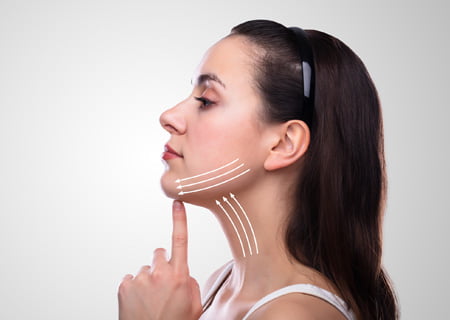
E. Neck and jawline contouring
Soft-tissue fullness can exaggerate a recessed chin.
Options include:
- submental liposuction
- tightening of the platysma
- Isolated central deep neck lift
These are commonly paired with chin enhancement when the neck obscures the jawline.
9. Choosing the right approach
A surgeon evaluates:
- chin projection relative to the lower lip
- vertical length of the lower third
- jaw relationship (Class I, II, or III)
- thickness of soft tissue
- neck contour
- whether the recession has worsened with age
This assessment determines the plan:
| Presentation | Best Approach |
|---|---|
| Mild recession | Fillers or small implant |
| Moderate recession | Implant or sliding genioplasty |
| Severe recession | Sliding genioplasty |
| Short vertical height | Vertical lengthening genioplasty |
| Overbite | Orthodontics ± jaw advancement |
| Recession + heavy neck | Chin augmentation + neck contouring |
| Age-related lower face changes | Chin refinement + lower facelift |
Treatment becomes straightforward once the origin of the recession is identified.
10. Q&A
What age does the chin start to recede?
Bone remodeling becomes noticeable in the late 30s and 40s. True congenital retrogenia appears in the teenage years and stays stable until aging softens the lower face.
Why does your chin recede?
Most cases are genetic. Others are related to jaw growth patterns, dental alignment, or age-related tissue change.
Is a receding chin attractive?
It depends on the face. Some people suit a softer profile. Others benefit from more projection to balance the nose and jawline.
Is a receding chin permanent?
Yes. Soft-tissue fullness may change with weight, but the bone position remains the same unless surgically advanced or augmented.
How much does it cost to fix a receding chin?
It varies by treatment: injectables, implants, and genioplasty all differ.
Can losing weight fix a receding chin?
No. It can improve fullness under the chin but does not change the bone. In some patients, weight loss makes the chin look smaller.
11. References
- Mayo Clinic — Jaw and occlusion overview
- American Society of Plastic Surgeons — Chin augmentation & genioplasty
- National Institutes of Health — Lower facial skeletal development