Rhinoplasty and Septoplasty at the Same Time
Yes! Septoplasty and rhinoplasty can be done in the same surgery, and in many cases, it’s the more logical approach. If the internal structure of the nose is affecting breathing and the outer shape is also a concern, separating the procedures rarely makes sense. That said, this is not automatically the right choice for everyone. The decision depends on anatomy, symptoms, and expectations, not just convenience.
Blog Categories
- Facelift (7)
- Facial Cosmetic Surgery For Men (3)
- Age-Specific Cosmetic Solutions (4)
- Expert Advice (14)
- Dermal Fillers - Restylane Gel Treatment (3)
- Cosmetic Chin & Neck Liposuction (2)
- Fraxel Laser Skin Resurfacing (1)
- Cosmetic Ear Correction (5)
- Rhinoplasty Recovery Guide (6)
- Eyelid Blepharoplasty (2)
- Eyebrow & Forehead Lift Cosmetic Surgery (2)
- Rhinoplasty (34)
- Trends in Cosmetic Surgery (6)
- Mole Removal & Scar Revision Cosmetic (5)
- Cheek & Chin Fat Reduction (5)
- Skin Peels Treatment (2)
- Neck Lift Surgery (2)
- Laser Hair Removal (1)
- Laser Skin Treatment & Therapy (2)
- Wrinkles Reduction Laser Treatment (2)
- AlumierMD Skin Care (9)
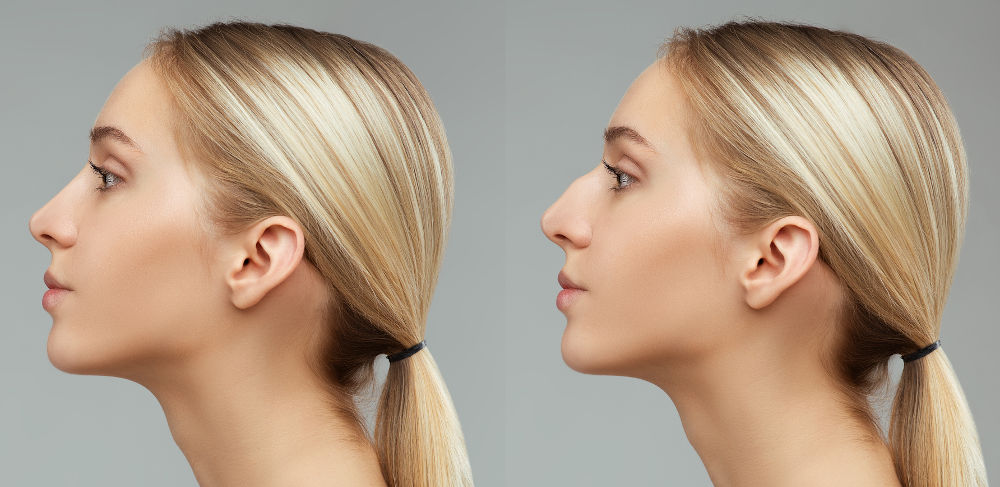
Nose Thread Lift Explained
A nose thread lift is a non-surgical treatment that uses dissolvable threads to subtly lift and shape the nose. It works best for mild to moderate concerns, like a low bridge, slight droop at the tip, or minor asymmetry. It does not replace surgical rhinoplasty but can have devastating risks.

Facial Symmetry Correction Surgery Explained
Almost nobody has a symmetrical face. Not even close. Period. If you split a face down the middle and mirror each side, the results look artificial. That is because human anatomy is not mirrored. The skull is not perfectly even. Muscle pull differs side to side. We chew more on one side. We sleep on one side. We age unevenly. So the goal of facial symmetry surgery is not perfection. It is balance.

Zakhary Rhinoplasty & Facial Plastic Surgery Clinic Wins 2025 Consumer Choice Award for Excellence in Cosmetic Procedures
Zakhary Rhinoplasty & Facial Plastic Surgery Clinic, led by Dr. Kristina Zakhary, has been recognised with the 2025 Consumer Choice Award in the Cosmetic Procedures category for Southern Alberta. This honour highlights the clinic’s longstanding reputation for excellence in facial plastic and reconstructive surgery, as well as its dedication to patient-centred care.
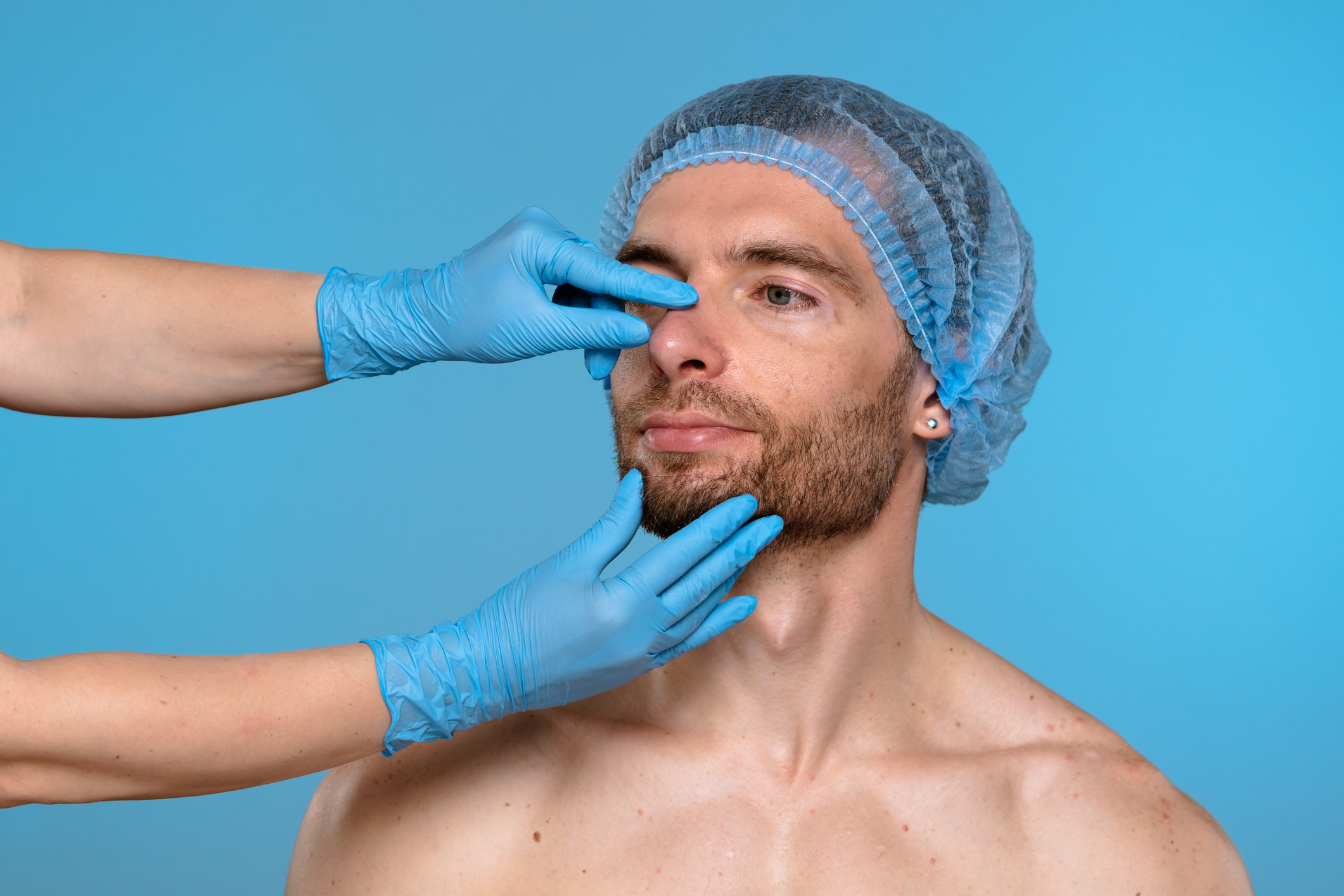
What Is a Revision Rhinoplasty?
Revision rhinoplasty, also referred to as secondary rhinoplasty or rhinoplasty revision, is surgery performed after a previous nose operation when the outcome is incomplete, unstable, or unsatisfactory.
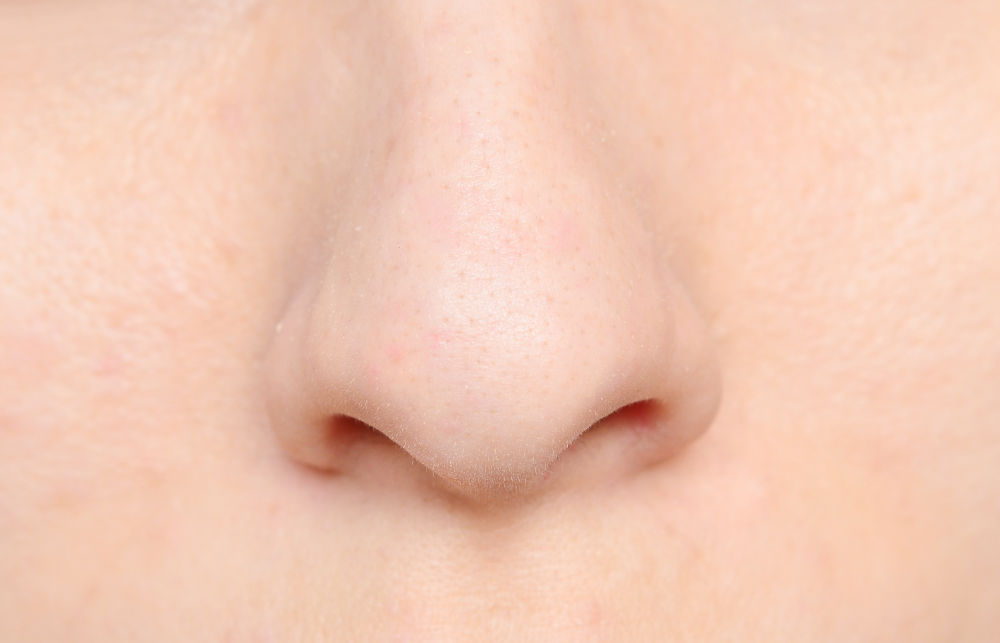
How to Treat a Dorsal Hump
A dorsal hump can only be permanently corrected with rhinoplasty. Non-surgical treatments may temporarily camouflage the profile in selected cases but do not remove bone or cartilage. The appropriate approach depends on nasal anatomy (bone vs cartilage), skin thickness, facial balance, and whether breathing function is involved.
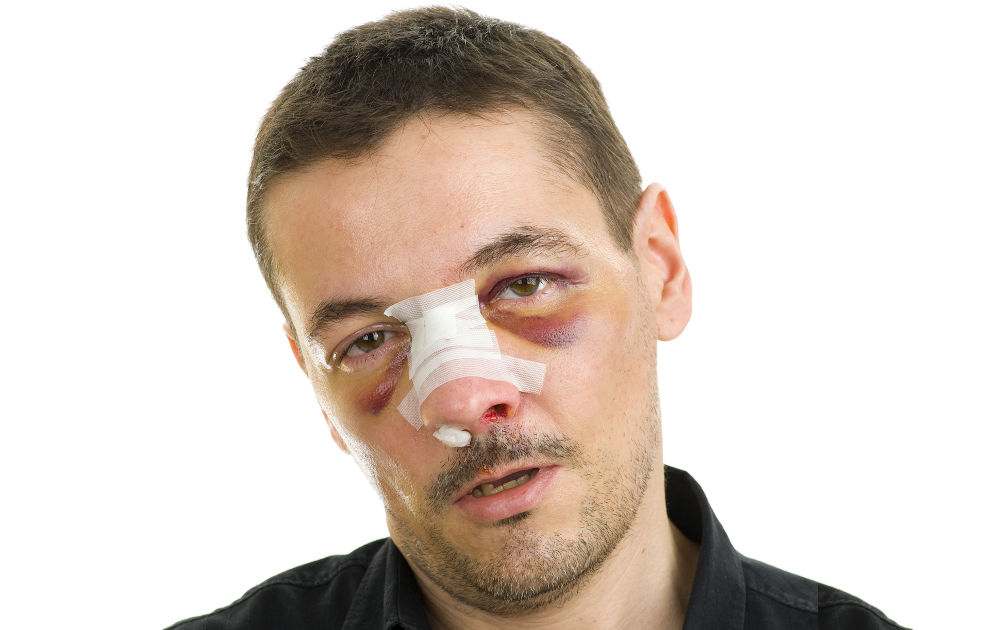
Is Surgery Required to Straighten a Broken Nose?
No. Surgery is not always required to straighten a broken nose. Some nasal fractures can be corrected without surgery if they are treated early and if the nasal bones are displaced but still mobile. Surgery becomes necessary when the fracture is complex, treatment is delayed, the nose heals in a crooked position, or breathing function is affected. The decision depends on anatomy, timing, and internal support… not on pain, bruising, or appearance alone.

Alarplasty (Nostril Reduction) Explained
Alarplasty, also called nostril reduction surgery, is a focused nasal procedure that reduces flared, wide, or elongated nostrils without reshaping the entire nose. When properly planned and conservatively executed, it can significantly refine nasal balance with minimal scarring and a short recovery. It is not a substitute for full rhinoplasty, and it is not appropriate for every nose.
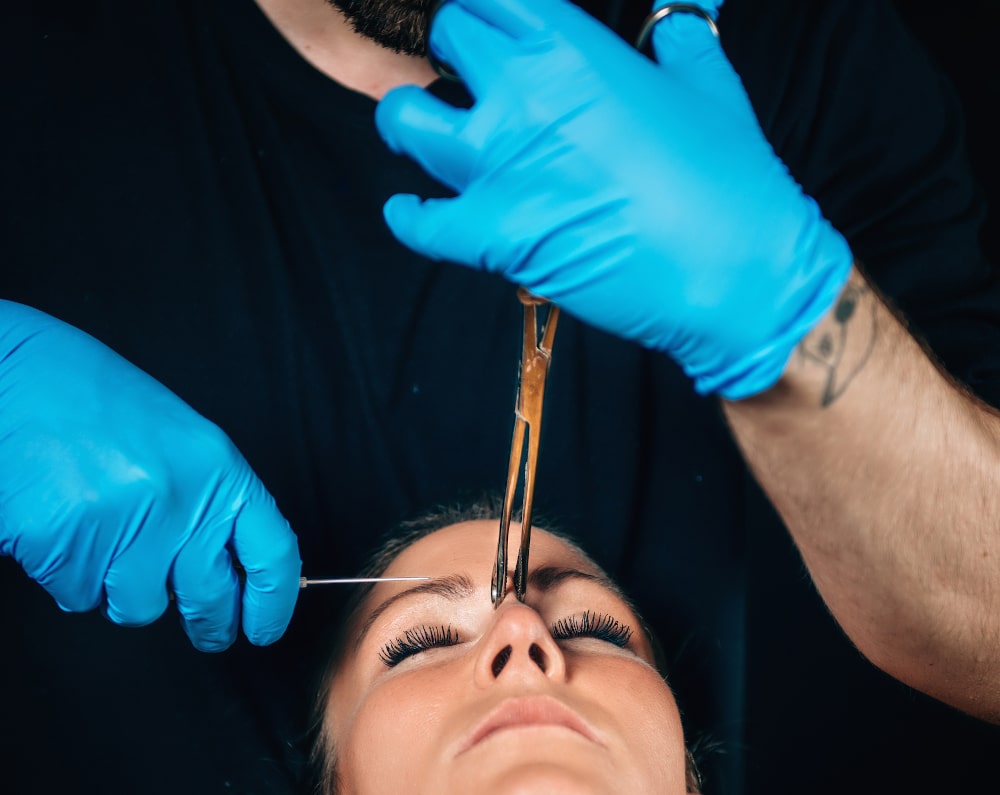
Nose Bridge Types: High and Low
The nose bridge — the bony and cartilaginous structure between the eyes — plays a defining role in facial balance. A high nose bridge tends to project forward and appear more sculpted, while a low nose bridge often looks flatter or wider. Neither is inherently better. The key question is whether the bridge is proportionate to the rest of the face, and whether altering it would improve balance or introduce new problems.
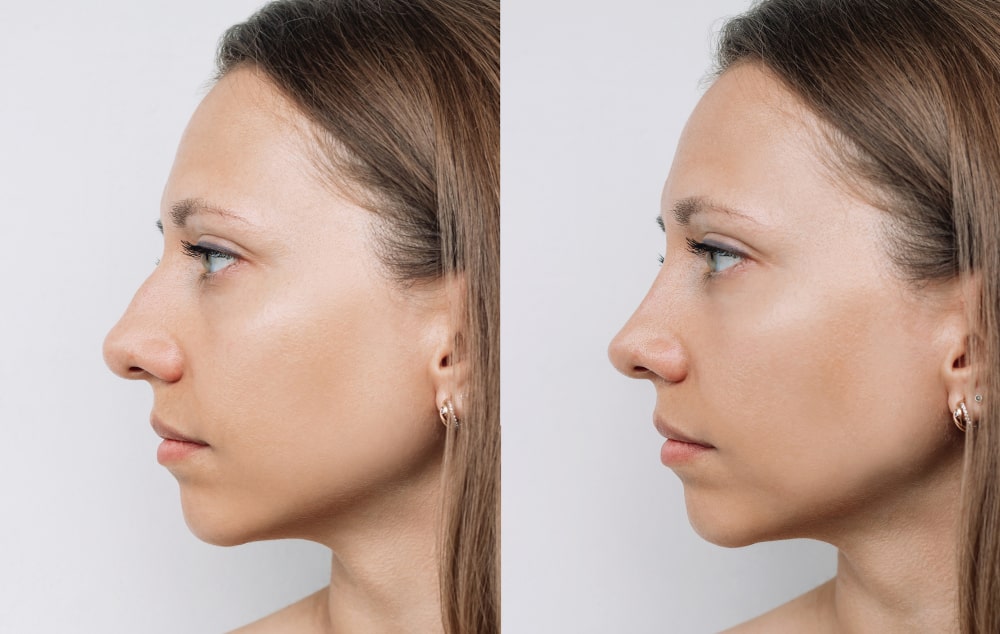
Preservation Rhinoplasty: What It Is and Who It’s For
Preservation rhinoplasty is an advanced surgical technique that refines the nose while preserving its natural anatomy. Unlike traditional rhinoplasty, which often involves removing or reshaping large portions of cartilage and bone, preservation rhinoplasty focuses on maintaining structural integrity. This approach reduces trauma to the nasal tissues and supports more predictable, natural results.
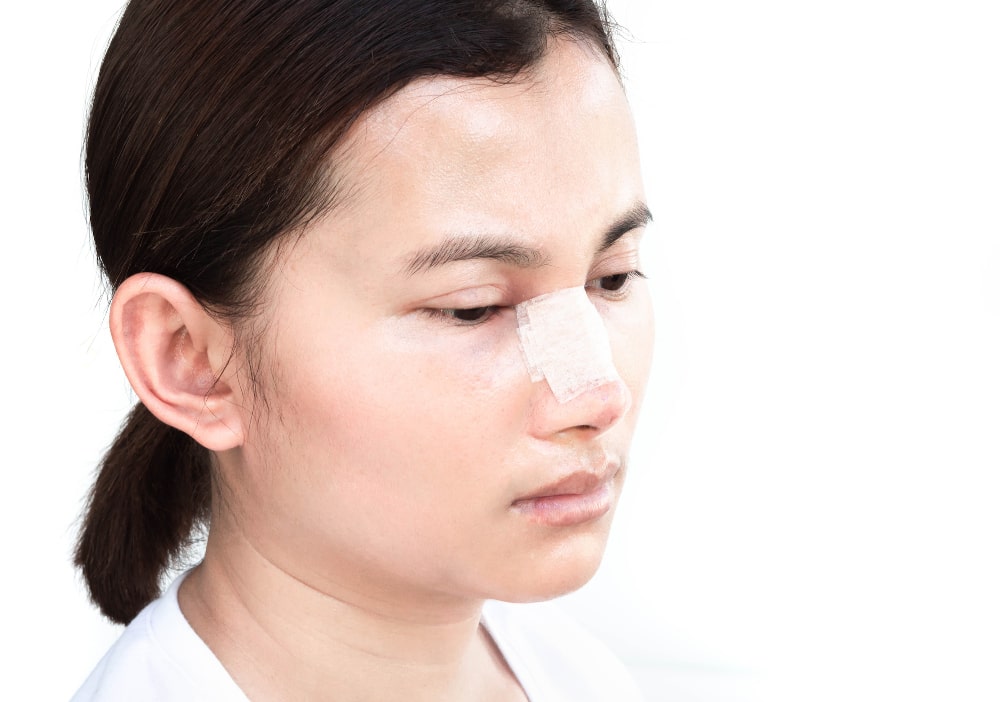
Rhinoplasty After a Broken Nose: From Celebrity Stories to Real Solutions in Alberta
A broken nose leaves a mark that time alone rarely smooths out. The swelling goes down, the bruises fade — yet something about the shape feels off. One side may look flatter, the bridge uneven, breathing less freely than before. For many Albertans, those after-effects last years.

Correcting Flaring Nostrils in Alberta
Some people hardly notice it until a photo catches them mid-smile — the nostrils lift and widen, pulling the attention downward. Others see it every day in the mirror and wonder if there’s a way to make that base of the nose a little narrower.