Can You Get a Nose Job If You Have a Piercing?
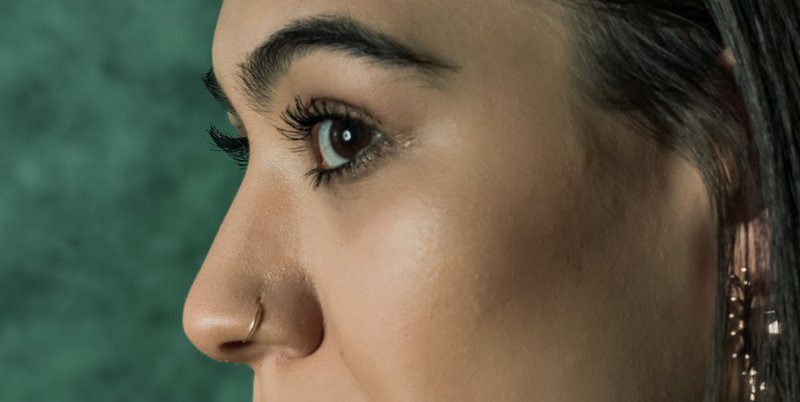
Yes, you can usually have a nose job if you have a nose or septum piercing. The rhinoplasty, but the jewelry will need to be removed for surgery. Its location, age, condition, and the changes planned for your nose can affect whether the piercing stays in the same position, closes, or needs to be redone after recovery.
Table of Contents
- Can You Have Rhinoplasty With a Nose Piercing?
- Why Nose Jewelry Has to Come Out Before Surgery
- Does the Type of Piercing Matter?
- Can Rhinoplasty Change the Position of a Piercing?
- What If the Piercing Is New?
- What If Your Piercing Is Irritated or Infected?
- Can You Use a Piercing Retainer During Rhinoplasty?
- When Can You Put Your Nose Ring Back After Rhinoplasty?
- When Can You Get a New Piercing After Rhinoplasty?
- What If the Old Piercing Closes?
- How to Plan Rhinoplasty If You Want to Keep Your Piercing
- Frequently Asked Questions
Can You Have Rhinoplasty With a Nose Piercing?
In most cases, yes. Having a pierced nostril or septum does not automatically make someone unsuitable for rhinoplasty.
The more useful question is whether the piercing affects the particular part of the nose that will be changed.
People also search
Rhinoplasty may involve the nasal bones, cartilage, tip, bridge, nostrils, septum, or several of these areas. A piercing through tissue that is being repositioned deserves more attention than one well away from the planned surgical work.
A surgeon therefore needs to know:
- where the piercing passes through the nose;
- how long you have had it;
- whether it has completely healed;
- whether you have had infections, bumps, or troublesome scarring around it;
- whether preserving the current piercing position matters to you;
- whether you intend to wear the same jewelry after surgery.
The American Society of Plastic Surgeons notes that rhinoplasty can alter both nasal proportions and internal structures, while the exact surgical plan depends on the individual anatomy and goals.
Why Nose Jewelry Has to Come Out Before Surgery
Expect to remove your nose ring, stud, or septum jewelry before rhinoplasty.
This is not unique to nose surgery. Pre-operative guidance from the UK National Health Service advises patients to remove body piercings before an operation as part of surgical preparation and infection control.
For rhinoplasty there are additional practical reasons. The surgeon needs unobstructed access to the nose, and jewelry can sit within or very close to the operating field. It may also interfere with cleaning, surgical manipulation, dressings, internal supports, or postoperative care.
Do not assume that leaving jewelry in because the piercing is old is safe. Follow the instructions given by your surgical team.
What to do with your jewelry on surgery day
| Before rhinoplasty | Best approach |
|---|---|
| Nostril stud | Remove it as instructed |
| Nose hoop | Remove it as instructed |
| Septum ring | Remove it as instructed |
| Piercing that is difficult to remove | Tell the clinic before surgery |
| Piercing likely to close quickly | Discuss this with the surgeon in advance |
| Plastic or clear retainer | Use only if the surgical team specifically approves it |
Does the Type of Piercing Matter?
Yes. A nostril piercing and a septum piercing pass through different parts of the nose, so the potential effect of surgery is different.
Nostril piercing
A nostril piercing passes through the soft tissue of the nasal sidewall or ala.
If surgery changes the width, shape, rotation, or position of the nostrils, the piercing may no longer sit exactly where it did before.
A small shift might make little cosmetic difference. A more substantial change in nostril anatomy could leave the old hole looking higher, lower, or differently angled in relation to the reshaped nose.
Septum piercing
A septum piercing usually sits in the tissue beneath the firmer cartilaginous portion of the nasal septum.
Its relevance depends heavily on what is being done internally.
A cosmetic rhinoplasty may not necessarily require major septal changes. In other cases, septal cartilage may be reshaped, corrected, or used as grafting material. Rhinoplasty and septoplasty can also be performed together when both appearance and breathing need to be addressed. The American Society of Plastic Surgeons distinguishes rhinoplasty from septoplasty while noting that the procedures can be combined.
Tell your surgeon about a septum piercing even if it is not visible externally.
Can Rhinoplasty Change the Position of a Piercing?
Let’s face the truth , It can.
Rhinoplasty changes the shape or proportions of the nose. If tissue around an existing piercing is repositioned, the piercing tract moves with that tissue.
For example, surgery involving the nostril margin or nasal tip can change the relationship between a nostril piercing and nearby landmarks.
That does not mean every piercing will move. A piercing well away from the area being altered may remain essentially unchanged.
This is one reason it is useful to show the surgeon how you normally wear your jewelry during the consultation. If retaining its appearance is important to you, say so before the operation is planned rather than after it has been performed.
Piercing location and possible considerations
| Piercing | Main question before rhinoplasty | Possible issue afterward |
|---|---|---|
| Nostril stud | Will nostril shape or position change? | Hole may sit differently |
| Nostril hoop | Will nostril size or contour change? | Old hoop may fit differently |
| High nostril piercing | Is surgery planned near the sidewall? | Position may change |
| Septum piercing | Will septal tissue be altered? | Tract may need time before reuse |
| Multiple nasal piercings | Do any cross the surgical area? | Different piercings may behave differently |
What If the Piercing Is New?
Tell your surgeon if the piercing was done recently.
A fresh piercing is still healing tissue rather than a stable, mature tract. Piercings create a route through the skin or mucosa, and infection and bleeding are recognized complications of body piercing. A medical review published in American Family Physician found localized infections to be among the common complications associated with body piercing.
Planning elective nasal surgery while the same area is actively healing deserves particular caution.
Your surgeon may recommend allowing the piercing to heal first, especially if there is persistent tenderness, discharge, crusting, swelling, or redness.
Do not try to hide the date of a recent piercing because you are worried surgery might be delayed. That information affects safe planning.
What If Your Piercing Is Irritated or Infected?
An irritated piercing should be assessed before elective rhinoplasty.
A little sensitivity does not automatically mean infection. However, increasing redness, warmth, pain, swelling, or drainage deserves medical attention.
Dr. Kristina Zakhary's clinic advises seeking care for symptoms suggesting an infected nose piercing and notes that bacterial infection is one of the risks after nasal piercing.
Published medical literature also contains reports of more serious complications following nasal piercings, although these are uncommon.
Contact your surgeon before the operation if the piercing develops:
- worsening redness;
- increasing tenderness;
- unusual warmth;
- pus or persistent discharge;
- marked swelling;
- a painful lump;
- fever;
- redness spreading beyond the piercing site.
An active infection close to the planned surgical field may change the timing of an elective procedure.
Can You Use a Piercing Retainer During Rhinoplasty?
Do not put in a plastic, glass, or clear retainer without checking with the surgical team.
Some surgical facilities permit retainers for piercings far away from an operative site. Rhinoplasty is different because the piercing is located directly in or beside the area being treated.
Even a non-metal retainer occupies the piercing tract and may interfere with preparation, manipulation of the tissues, or postoperative dressings.
The safest rule is simple: if your surgeon says the piercing must be empty, remove the jewelry and do not replace it with a retainer unless you are specifically told that you can.
When Can You Put Your Nose Ring Back After Rhinoplasty?
There is no reliable universal date.
This is where online advice can become misleading. You may see fixed recommendations such as two weeks, six weeks, eight weeks, or three months. They should not override your surgeon's assessment of your nose.
Early rhinoplasty swelling improves considerably during the first weeks, but that does not mean the tissues have finished healing.
The American Society of Plastic Surgeons states that the new nasal contour may continue to refine for up to two years , with swelling gradually changing throughout that period.
A piercing therefore should not be reinserted simply because the cast has been removed.
Your surgeon will consider:
- what structures were altered;
- whether the piercing tract was close to the surgical area;
- residual swelling;
- incision healing;
- tenderness;
- whether cartilage was altered;
- whether reinserting jewelry would put pressure on healing tissue.
A practical recovery chart
| Stage | What is happening | Piercing approach |
|---|---|---|
| Surgery day | Nasal tissues are operated on and supported | Jewelry should already be removed |
| Early recovery | Swelling, bruising, and tissue healing are active | Keep jewelry out unless specifically instructed otherwise |
| Following weeks | Visible swelling improves but deeper healing continues | Do not use appearance alone to judge readiness |
| Later recovery | Nasal contour gradually settles | Ask your surgeon whether the old tract can safely be used |
| Fully settled result | Final refinement takes considerably longer than initial recovery | New piercing placement can be assessed against the final nose |
This is intentionally not a fixed week-by-week timetable. Your operation and healing pattern matter more than a date found online.
When Can You Get a New Piercing After Rhinoplasty?
A new piercing deserves more caution than putting jewelry back through an established, intact tract.
Piercing creates another wound in tissue that has already undergone surgery. If done too early, it may introduce inflammation, pressure, trauma, or infection while the nose is still healing.
Waiting also has an aesthetic advantage.
Imagine choosing the perfect piercing position while your nasal tip or nostrils are still swollen. As the swelling resolves and the nose settles, that position may no longer look quite right.
For that reason, new piercing placement is best discussed with your rhinoplasty surgeon after the relevant nasal tissues have healed sufficiently.
There is no single waiting period that suits every operation.
What If the Old Piercing Closes?
It can be frustrating, but protecting a healing nose is more important than preserving a piercing tract.
Do not force jewelry through an opening that has narrowed after surgery. Doing so can traumatize tissue, cause bleeding, and create a new route for bacteria.
If the hole closes or no longer lines up properly, wait until your surgeon considers the nose sufficiently healed and then discuss whether re-piercing is appropriate.
In some cases, starting again also gives you the opportunity to choose a piercing position that fits the new nasal proportions better than the original location.
How to Plan Rhinoplasty If You Want to Keep Your Piercing
A piercing may be small, but mention it during your rhinoplasty consultation rather than waiting until surgery day.
Before surgery
Tell your surgeon:
- How long you have had the piercing.
- Whether it has ever become infected.
- Whether you tend to develop thick or raised scars.
- Which jewelry you normally wear.
- Whether keeping the existing hole matters to you.
- Whether you want additional nasal piercings later.
It can also help to attend the consultation wearing your usual jewelry or bring a clear photograph of how it normally sits.
Dr. Kristina Zakhary's rhinoplasty planning takes nasal appearance, cartilage, support, and breathing function into account. Her Calgary practice describes a minimal-dissection approach intended to reshape the nasal framework while preserving support and function where possible. You can read more about the clinic's rhinoplasty approach here .
The exact relationship between a piercing and the surgical plan can only be assessed once the surgeon examines your nose.
Frequently Asked Questions
Can a nose piercing stop me from getting rhinoplasty?
Usually, no. A healed piercing by itself is not normally a reason someone cannot undergo rhinoplasty. Its location and condition still need to be considered during surgical planning.
Do I have to remove my septum ring for a nose job?
Expect to remove it. Surgical preparation guidance generally calls for body jewelry to be removed, and septum jewelry sits directly within the area being operated on during nasal surgery.
Can I put a clear retainer in my nose during surgery?
Only if your surgeon and surgical facility specifically permit it. Do not assume that a non-metal retainer is acceptable simply because it is plastic or glass.
Will my nose piercing hole close during rhinoplasty recovery?
It may narrow or close while jewelry is out, although this varies considerably between people and piercings. An old tract is not guaranteed to remain open. Do not sacrifice appropriate postoperative care simply to keep it patent.
Can a nostril piercing end up crooked after rhinoplasty?
Its apparent position can change if surgery alters the surrounding nostril, tip, or sidewall. This does not happen in every case. Discuss the position with your surgeon beforehand if preserving it is important.
Can rhinoplasty be performed around a septum piercing?
Potentially, but the jewelry would generally be removed. Whether the tract itself is affected depends on its position and what is being changed inside the nose.
Should I get my nose pierced before or after rhinoplasty?
If rhinoplasty is already planned, waiting is often more practical. A new piercing needs time to heal, and surgery may subsequently alter its position. Ask your surgeon before scheduling either procedure.
How soon after rhinoplasty can I wear a nose ring?
There is no safe universal answer. Initial swelling improves during the first weeks, while nasal tissues continue to heal and the contour may refine for many months. Your surgeon should clear the piercing before you reinsert jewelry.
Can a new piercing damage rhinoplasty results?
Trauma, inflammation, infection, or pressure on healing tissue could interfere with recovery, particularly if a piercing is performed prematurely. This is why a new piercing should wait until the surgeon considers the relevant tissues sufficiently healed.
What if I accidentally put my nose ring back in too early?
Do not repeatedly remove and reinsert it yourself if the area becomes sore, swollen, or starts bleeding. Contact your surgeon and explain what happened. If there is increasing redness, warmth, discharge, or fever, medical assessment is warranted.
Can I have both rhinoplasty and septoplasty if I have a septum piercing?
A piercing does not by itself rule out combined rhinoplasty and septoplasty. The surgeon does, however, need to know where the tract sits because septoplasty involves the internal nasal septum. Rhinoplasty and septoplasty are sometimes performed together when both nasal shape and breathing need treatment.
Should I tell my professional piercer that I have had rhinoplasty?
Yes. Once your surgeon has cleared you for a new piercing, tell the piercer about your surgery. The anatomy and proportions of the nose may have changed, and placement should be planned accordingly.
Thinking About Rhinoplasty With a Nose or Septum Piercing?
You do not normally have to choose between rhinoplasty and having a nasal piercing permanently. What matters is planning.
Bring the piercing up during your consultation, remove jewelry when instructed, and give the operated nose enough time to heal before attempting to replace or recreate the piercing.
If you are considering rhinoplasty in Calgary, a consultation with Dr. Kristina Zakhary can establish whether your piercing affects the proposed surgical plan and what you should do with it before and after surgery.
Medical Sources
- NHS: Preparing for surgery
- American Society of Plastic Surgeons: Rhinoplasty recovery
- American Society of Plastic Surgeons: Rhinoplasty
- PubMed: Body piercing — complications and prevention of health risks
This article provides general information and is not a substitute for an examination, diagnosis, or individualized surgical advice.