The Dos and Dont’s of Blepharoplasty
Blepharoplasty can make the eye area look lighter, clearer, and less tired, but the recovery is not just a small detail after the surgery. How you prepare, how you rest in the first few days, how you protect your eyes, and how patient you are with swelling all affect the final result.
Before eyelid surgery , the main priorities are simple: be honest about your medical history, review medications and supplements, stop smoking as instructed, arrange a ride home, and prepare for a few quiet days with limited screens, lifting, bending, and social plans. After surgery, the most important rules are to keep your head elevated, use cold compresses as directed, avoid rubbing your eyes, avoid contact lenses until cleared, protect the eyelids from sun and wind, and call the clinic if pain, swelling, bleeding, or vision changes feel unusual.
Most people look presentable enough for light work or errands after about 10 to 14 days, although swelling can take longer to refine and scars continue to fade over months. Mayo Clinic notes that bruising and swelling often improve gradually over 10 to 14 days, while incision lines may take months to fade.
Table of Contents
- What Blepharoplasty Actually Changes
- The Biggest Mistake Patients Make Before Eyelid Surgery
- Before Blepharoplasty: What to Do
- Before Blepharoplasty: What to Avoid
- The First Few Days After Surgery
- Blepharoplasty Recovery Timeline
- After Blepharoplasty: What to Do
- After Blepharoplasty: What Not to Do
- Upper vs Lower Blepharoplasty Recovery
- Swelling, Bruising, Scars and Uneven Healing
- Warning Signs That Need Medical Attention
- Quick Dos and Don’ts Table
- Recovery Chart
- Calgary-Specific Recovery Notes
- Extended FAQ
- Sources
What Blepharoplasty Actually Changes
People also search
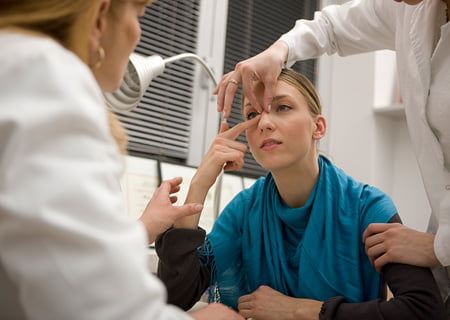
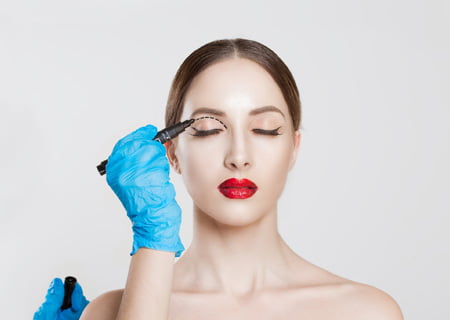
Blepharoplasty, often called eyelid surgery, is performed to improve excess skin, puffiness, heaviness, or bags around the eyes. It may involve the upper eyelids, lower eyelids, or both. In some cases, upper eyelid skin can become heavy enough to affect the visual field; in other cases, the concern is mainly cosmetic. Mayo Clinic describes blepharoplasty as surgery that removes excess skin from the eyelids and may also address excess fat or muscle depending on the case.
The procedure can be very effective, but it is often misunderstood.
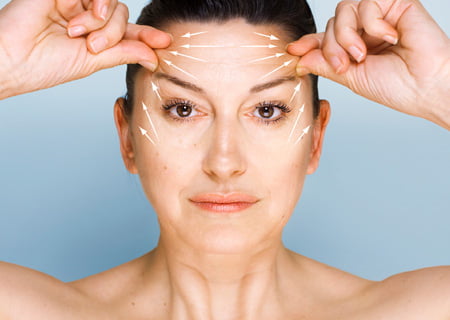
Blepharoplasty does not automatically fix every concern around the eyes. It will not erase crow’s feet or the “number 11’s” between the eyebrows. It may not correct dark circles if they are caused by pigmentation, thin skin, allergies, or under-eye hollowing. It does not lift a low brow unless a brow procedure is also planned and performed at the same time. It does not change the whole face.
What it can do, when the anatomy is right, is make the eyes look less weighed down.
That may mean:
| Concern | How Blepharoplasty May Help |
|---|---|
| Upper eyelid hooding | Removes carefully measured excess skin |
| Heavy-looking lids | Creates a cleaner lid fold and lighter upper-eye appearance |
| Under-eye bags | Removes or repositions fat, depending on the surgical plan |
| Loose lower-eyelid skin | Tightens or smooths selected lower-lid skin concerns |
| Tired-looking eyes | Helps when the tired look comes from eyelid heaviness or puffiness |
| Makeup smudging on upper lids | May improve when excess skin no longer folds over the lash line |
A good result should not make the eyes look tight, hollow, startled, or unfamiliar. The best blepharoplasty results are often quiet. People may say the person looks rested, but they cannot always tell exactly why.
The Biggest Mistake Patients Make Before Eyelid Surgery
The biggest mistake is assuming recovery is “easy” because the procedure is focused on a small area.
The eyelids are small, but they are sensitive. They swell quickly. They bruise easily. They move constantly when you blink, smile, sleep, read, speak, or look down at your phone. The incision lines may be fine, but they still need careful healing time.
The second mistake is not knowing what the real issue is.
Some people ask for upper blepharoplasty when the brow is actually sitting low. Others ask for lower blepharoplasty when the problem is under-eye hollowing or pigmentation rather than fat bags. Some people believe they need eyelid surgery because they look tired, but the tiredness may come from cheek volume loss, skin quality, sleep, allergies, or facial asymmetry.
This is where consultation matters. The plan should be based on anatomy, not just on what looks bothersome in a selfie.
Dr. Kristina Zakhary’s Calgary practice focuses on facial plastic and cosmetic surgery, including blepharoplasty, rhinoplasty, facelift and neck lift, forehead lift, chin augmentation, and other procedures involving the face and neck.
Before Blepharoplasty: What to Do
Be specific about what bothers you
“Make my eyes look younger or more refreshed ” is a starting point, but it is not specific enough for surgical planning.
Before your consultation, look in normal daylight and ask yourself:
- Is the upper lid skin sitting on my lashes?
- Do my eyes look smaller than they used to?
- Is one lid heavier than the other?
- Are the bags under my eyes there even after good sleep?
- Do I look tired, sad, or stern when my face is relaxed?
- Is the issue worse in photos than in the mirror?
- Do I have dark circles, puffiness, hollowing, or all three?
These are not the same concern. They may need different treatment.
Tell your surgeon about dry eyes
Dry eye symptoms matter a lot in eyelid surgery. Mention burning, watering, grittiness, light sensitivity, difficulty wearing contact lenses, previous LASIK, glaucoma, thyroid eye disease, eye injuries, or previous eyelid procedures. The Canadian Society of Plastic Surgeons notes that dry eye, allergies, thyroid problems, high blood pressure, and diabetes are among the health details that may be reviewed when assessing eyelid surgery risk.
Do not leave this information out because it seems minor. Eyelid surgery is planned close to the eye surface. Dry eyes can be managed and are not a contradiction to having blepharoplasty.Comfort after surgery matters.
Bring a full medication and supplement list
This includes prescription medication, over-the-counter pain relievers, blood thinners, vitamins, herbal supplements, sleep aids, allergy medication, cannabis products, nicotine products, and eye drops.
Some products can increase bruising or bleeding risk. Others may interact with anesthesia or recovery medication. Do not stop prescribed medication on your own. The point is to let the surgical team review everything and give safe instructions.
Stop smoking as instructed
Smoking can interfere with circulation and wound healing. This includes cigarettes and often nicotine vaping or other nicotine products. The timing depends on the surgeon’s instructions, but patients should expect to stop before surgery and stay off nicotine during early healing.
This is not a cosmetic rule. It is a healing rule.
Arrange a proper ride home
You should not drive yourself after blepharoplasty. Sedation, local anesthesia, blurred vision, swelling, ointment, light sensitivity, and general tiredness can all make driving unsafe.
Have someone take you home and, ideally, stay close for the first night.
Prepare your home before surgery
The first few days are easier if your home is already set up.
Useful things to prepare:
| Recovery Item | Why It Helps |
|---|---|
| Extra pillows | Easier head elevation |
| Clean pillowcases | Keeps the healing area cleaner |
| Sunglasses | Protects against sun, wind, dust, and light sensitivity |
| Easy meals | Avoids cooking when you should be resting |
| Approved eye drops or ointment | Use only what the clinic recommends |
| Cold compress supplies | Helps with swelling when used correctly |
| Audiobooks or podcasts | Better than long screen sessions early on |
| Written medication schedule | Helpful when you are tired after surgery |
Small planning makes recovery feel less chaotic.
Plan time away from work and screens
MyHealth Alberta advises that eyes may tire easily after eyelid surgery and recommends limiting reading, computer work, and TV at least for the first week.
This is easy to underestimate. Many people think they can answer emails the next day. Technically, they may be awake enough to do it. Their eyes may not agree.
A few quiet days are not wasted time. They are part of the result.
Before Blepharoplasty: What to Avoid
Do not book surgery right before a major event
Blepharoplasty recovery is not fully predictable. Some people bruise lightly. Others bruise dramatically. Some swelling settles quickly. Some swelling lingers.
Avoid scheduling surgery right before:
- weddings
- professional photos
- major work presentations
- holidays
- flights
- large family events
- important social occasions
A person may look fine earlier than expected, but it is better to have extra time than to feel trapped behind sunglasses at an event.
Do not try new skincare treatments close to surgery
Avoid starting strong retinoids, acids, peels, exfoliating scrubs, lash serums, or active eye creams near surgery unless your surgeon approves them.
The eyelid skin should be calm before surgery. Irritated skin is not a good surgical starting point.
Do not assume “natural” supplements are safe
Natural does not always mean harmless. Some supplements may affect bleeding, bruising, sedation, or blood pressure. List them all.
Common examples patients forget to mention include fish oil, turmeric, garlic capsules, ginkgo, St. John’s wort, high-dose vitamin E, sleep blends, and “anti-inflammatory” supplements.
Do not hide smoking, cannabis, or alcohol use
Surgeons ask because it affects care. It is not a moral question.
Smoking can affect healing. Cannabis use may affect anesthesia planning. Alcohol can worsen dehydration, bruising, sleep quality, and medication safety. Be direct.
Do not arrive with eye makeup or contact lenses
Follow the clinic’s instructions for surgery day. MyHealth Alberta’s pre-surgery guidance for eyelid surgery includes removing contact lenses before surgery.
Arrive clean-faced and practical. This is not the day for mascara, lash glue, creams, or perfume around the face.
The First Few Days After Surgery
The first few days after blepharoplasty are not usually painful in a dramatic way. They are more often annoying, tight, blurry, swollen, and uncomfortable.
Common early symptoms include:
- swelling
- bruising
- watery eyes
- mild burning or stinging
- tightness
- light sensitivity
- temporary blurred vision
- sticky eyes
- uneven swelling between sides
- difficulty looking at screens for long
This can feel strange because the eyes are central to almost everything you do.
Your job in the first few days is not to inspect the result. Your job is to protect healing.
MyHealth Alberta recommends resting when tired, keeping the head raised for several days, sleeping with the head up on 2 or 3 pillows, drinking fluids unless advised otherwise, asking when it is safe to drive, limiting reading and screens, and avoiding contact lenses for about 2 weeks or until the doctor says it is safe.
Blepharoplasty Recovery Timeline
Every recovery has its own pace. Upper eyelid surgery often looks better sooner than lower eyelid surgery, but that is not a rule. Combined upper and lower surgery usually brings more swelling and bruising.
| Time | What Many Patients Notice |
|---|---|
| Surgery day | Tiredness, blurry vision, tight eyelids, swelling beginning |
| Days 1–2 | Swelling and bruising often become more visible |
| Days 3–4 | Bruising may look darker; eyelids may feel tight or uneven |
| Days 5–7 | Some swelling starts to soften; follow-up or suture removal may happen if needed |
| Days 7–10 | Many patients feel more comfortable leaving the house |
| Days 10–14 | Bruising is often easier to cover if makeup is allowed; swelling continues to improve |
| Weeks 3–6 | The eye area usually looks more settled, though fine swelling can remain |
| 2–3 months | More refinement; incision lines soften |
| Several months | Scars continue to fade and the final result becomes clearer |
This timeline is not a promise. It is a general pattern.
Mayo Clinic notes that many patients feel ready to go out in public and return to work after bruising and swelling improve, often around 10 to 14 days.
After Blepharoplasty: What to Do
Keep your head elevated
Head elevation helps swelling drain. It is especially useful during the first several nights.
Sleep on your back if possible. Use pillows or a wedge. Avoid sleeping face-down or pressed into the pillow. The goal is not luxury sleep. It is safe positioning.
Use cold compresses the way the clinic tells you
Cold compresses can help early swelling and discomfort, but pressure matters. Do not push hard on the eyelids. Do not use dirty cloths. Do not use ice directly on bare skin.
If the instructions say short intervals, follow that. More is not always better.
Keep the eye area clean
Cleanliness matters, but so does gentleness. Follow the clinic’s instructions for cleansing. Avoid scrubbing, tugging, wiping aggressively, or using your normal skincare routine around the incision lines.
The eyelids do not need enthusiasm. They need patience.
Use only approved eye drops or ointments
If drops or ointment are prescribed or recommended, use them as directed. Do not add over the counter redness-relief drops because the eyes look bloodshot. Some products are not appropriate after surgery.
Ask before using anything new.
Wear sunglasses outside
Sunglasses are useful for more than appearance. They protect from light, wind, dust, and sun exposure.
In Calgary, this matters in winter too. Snow glare can be strong. Wind can dry and irritate the eyes. Indoor heating can also make dryness worse.
Walk gently, but do not rush back into exercise
Light walking may be allowed early, depending on your instructions. It can help you feel normal again. But heavy exercise is different.
Anything that raises pressure, causes bending, or makes the face flush can worsen swelling or increase risk.
Attend follow-up appointments
Follow-up visits allow the surgeon to check incision healing, swelling, eyelid position, eye closure, dryness, bruising, and any early concerns.
Do not skip them because “everything looks fine.” Some issues are easier to manage early.
After Blepharoplasty: What Not to Do
Do not rub your eyes
This rule matters more than patients expect.
Rubbing can irritate the incision, disturb healing, worsen swelling, and increase discomfort. If the eyes feel itchy or dry, use the approved plan or contact the clinic.
Do not wear contact lenses too soon
Contact lenses require pulling on the eyelids. That is exactly what you should avoid early in recovery. MyHealth Alberta advises avoiding contact lenses for about 2 weeks or until your doctor says it is okay.
Wear glasses until cleared.
Do not wear eye makeup until cleared
Mascara, eyeliner, eyeshadow, lash glue, and makeup remover can irritate the healing area. Makeup also carries bacteria, especially older products.
When makeup is allowed again, start clean. Do not reuse old mascara from the bottom of a makeup bag.
Do not bend, lift, strain, or work out too early
Avoid heavy lifting, intense exercise, hot yoga, running, swimming, and strenuous chores until your surgeon clears you.
Bending repeatedly can increase swelling. So can lifting laundry baskets, carrying children, dragging suitcases, or doing a “quick” deep clean at home.
Recovery is not the best time to prove your productivity.
Do not swim early
Pools, hot tubs, lakes, and ocean water are not appropriate for fresh incisions. Swimming also adds exertion, bacteria exposure, chlorine irritation, and eye rubbing.
Wait until cleared.
Do not drink alcohol during early recovery unless approved
Alcohol can worsen swelling, dehydration, bruising, and sleep quality. It can also interact with pain medication.
Do not judge the result too soon
At one and two weeks, the eyelids are still healing. At two weeks, they may look much better but not final. At six weeks, they may be closer, but scars and fine swelling can still change.
One side may heal faster than the other. That does not automatically mean something is wrong.
Upper vs Lower Blepharoplasty Recovery
Upper and lower blepharoplasty are often discussed together, but recovery can feel different.
| Procedure | What Recovery Often Feels Like |
|---|---|
| Upper blepharoplasty | Tightness along the lid crease, swelling above the lashes, visible incision line early on |
| Lower blepharoplasty | More under-eye or cheek swelling, possible dryness, longer-lasting puffiness in some patients |
| Upper and lower combined | More noticeable bruising and swelling, usually more social downtime |
Upper eyelid incisions are often hidden in the natural crease once healed. Lower eyelid surgery can be done in different ways depending on whether the concern is fat, skin, laxity, or a combination. This is why lower blepharoplasty needs especially careful planning.
Swelling, Bruising, Scars and Uneven Healing
Swelling
Swelling often looks worse in the morning. It can also shift. Sometimes one side looks more swollen than the other. This can feel alarming, but mild asymmetry during healing is common.
Salt, alcohol, heat, bending, poor sleep, and overactivity can make swelling worse.
Bruising
Bruising may look purple, red, yellow, green, or brown as it fades. It can move downward because of gravity. This does not always mean the surgery area is worsening.
Scars
Eyelid skin usually heals well, but scars still take time. Early incision lines may look pink, firm, shiny, or slightly raised. They usually soften and fade over months.
Sun protection is important. Fresh scars can darken with UV exposure.
Uneven healing
Your left and right eyelids are not identical before surgery, and they may not heal at the same speed after surgery. One side may bruise more. One side may swell longer. One side may feel tighter.
Final judgment should wait until healing is more mature.
Warning Signs That Need Medical Attention
Some discomfort, bruising, watering, and swelling are expected. Some symptoms are not something to watch casually.
Call the clinic or seek urgent medical care if you notice:
- sudden vision loss or dimming vision
- sudden major vision change
- severe eye pain
- rapidly increasing swelling, especially on one side
- bleeding that does not stop
- fever
- pus-like drainage
- spreading redness
- inability to close the eye
- worsening pain instead of gradual improvement
- chest pain, shortness of breath, fainting, or calf swelling
MyHealth Alberta advises seeking medical help for sudden chest pain, shortness of breath, signs of infection, sudden vision changes, or pain that does not improve as expected after eyelid surgery.
Vision changes should never be ignored.
Quick Dos and Don’ts Table
| Stage | Do | Don’t |
|---|---|---|
| Before consultation | Write down what bothers you: heaviness, bags, hooding, asymmetry, tired look | Assume every eye concern is fixed by blepharoplasty |
| Before surgery | Review medications, supplements, dry eye, contact lenses, smoking, medical history | Hide health details because they seem unrelated |
| Surgery day | Arrive clean-faced, practical, and with a ride home | Wear makeup, contacts, perfume near the face, or drive yourself |
| First 48 hours | Rest, elevate your head, use cold compresses as directed | Rub eyes, bend, lift, drink alcohol, or stare at screens for long periods |
| First 1–2 weeks | Protect your eyes, avoid contacts, attend follow-up, keep activity light | Exercise hard, swim, wear eye makeup too early, or sleep face-down |
| Longer term | Use sun protection and be patient with scars | Judge the final result before swelling settles |
Recovery Chart
| Recovery Issue | Normal Pattern | What Helps |
|---|---|---|
| Swelling | Often worse in the first five days, then gradually improves | Head elevation, cold compresses as directed, avoiding strain |
| Bruising | Can deepen before fading; may travel downward toward the jaw and neck | Time, rest, avoiding alcohol and overactivity |
| Dryness or watering | Common early, especially with screen use | Approved drops or ointment, less screen time |
| Tightness | Common around incision lines | Gentle care, no rubbing, patience |
| Scars | Pink or firm early; fade over months | Sun protection, follow-up care |
| Social downtime | Often around 10–14 days for many patients | Planning, sunglasses, avoiding big events too soon |
| Final refinement | Takes longer than early healing | Waiting several months before judging the result |
Calgary-Specific Recovery Notes
Calgary can be rough on healing eyes.
The dry air, wind, indoor heating, bright winter light, and snow glare can all make the eyes feel more irritated after surgery. Even if you usually tolerate the climate well, your eyes may be more sensitive during recovery.
Practical adjustments:
- keep sunglasses nearby
- avoid windy walks early on
- do not sit directly under forced-air heating
- use only approved lubricating drops
- keep pillowcases clean
- avoid dusty chores
- avoid smoke and strong fragrance
- protect incision lines from sun exposure
A cold, bright day can still be a high-glare day. Eyelid skin is delicate while healing.
Extended FAQ
What should I do before blepharoplasty?
Before blepharoplasty, prepare for both the surgery and the recovery. Review your medical history, medications, supplements, smoking or nicotine use, eye conditions, dry eye symptoms, and contact lens use with your surgeon. Arrange a ride home, prepare easy meals, set up pillows for head elevation, and plan a few quiet days with limited screens and no heavy activity.
What should I avoid before blepharoplasty?
Avoid smoking or nicotine if your surgeon has told you to stop, avoid unapproved medications or supplements that may affect bleeding, and avoid starting harsh skincare close to surgery. Do not drink alcohol near surgery unless cleared. Do not schedule surgery too close to an important event.
How long does blepharoplasty recovery take?
The first visible recovery usually takes 1 to 2 weeks. Many patients feel more comfortable returning to light work or public errands around 10 to 14 days, but this varies. Swelling, scar fading, and final refinement continue for much longer. Mayo Clinic notes that bruising and swelling usually lessen slowly in about 10 to 14 days, while scars may take months to fade.
Is blepharoplasty painful?
Most patients describe tightness, swelling, irritation, or soreness rather than severe pain. Pain should gradually improve. Severe pain, sudden eye pain, or vision changes need urgent medical attention.
Can I watch TV after eyelid surgery?
You may need to limit TV during the first few days because the eyes tire easily. MyHealth Alberta recommends limiting reading, computer work, and TV during early recovery.
Can I use my phone after blepharoplasty?
Short use may be possible, but long scrolling can dry and strain the eyes. Lower the brightness, take breaks, and do not force screen time if your eyes feel irritated.
When can I wear contact lenses again?
Many patients are told to avoid contact lenses for about 2 weeks or until cleared by their doctor. MyHealth Alberta gives this same general guidance. Glasses are safer while the eyelids are swollen and healing.
When can I wear eye makeup?
Only after your surgeon says it is safe. Eye makeup can irritate healing incisions and introduce bacteria. When you restart, use clean products and remove them gently.
Can I shower after blepharoplasty?
Your clinic will give specific instructions. In general, you may be allowed to shower after a certain point, but you should avoid getting water, shampoo, or soap directly into the eyes or incision area early on. Do not rub the eyelids dry.
How should I sleep after eyelid surgery?
Sleep on your back with your head elevated, often with two or three pillows, if that is what your surgeon recommends. MyHealth Alberta advises keeping the head raised for several days after eyelid surgery.
When can I exercise after blepharoplasty?
Strenuous exercise should wait until your surgeon clears you. Light walking may be allowed earlier, but running, lifting, hot yoga, swimming, and intense workouts can increase swelling and pressure.
Can I bend over after blepharoplasty?
Repeated bending is usually discouraged early in recovery because it can increase pressure and swelling. Ask for help with chores, pets, children, and anything that requires lifting or bending.
Is bruising normal?
Yes. Bruising is common after blepharoplasty. It may change colour as it fades and may move downward with gravity. Rapidly worsening swelling, severe pain, or vision changes are not normal and should be addressed immediately.
Why do my eyelids look uneven after surgery?
Uneven swelling is common. One side may bruise more, swell more, or feel tighter. This does not necessarily reflect the final result. Eyelids need time to settle.
Can blepharoplasty fix dark circles?
Sometimes, but not always. Dark circles may come from pigmentation, thin skin, visible vessels, hollowing, allergies, or shadows. Surgery helps most when the darkness is related to bags or anatomy that can be corrected surgically.
Can blepharoplasty fix crow’s feet?
No. Crow’s feet are expression lines at the outer corners of the eyes. They are usually treated with non-surgical wrinkle reduction treatments rather than eyelid surgery.
Can blepharoplasty change my eye shape?
It can refine the eyelid contour, but the goal is usually to keep the natural eye shape. Over-removal of skin or aggressive tightening can create an unnatural appearance, which is why conservative planning matters.
What are the risks of blepharoplasty?
Risks can include bleeding, infection, scarring, dry or irritated eyes, asymmetry, difficulty closing the eyes, eyelid position changes, temporary blurred vision, need for revision, and anesthesia-related risks. Rare but serious vision-related complications can occur. Mayo Clinic lists risks including infection and bleeding, dry irritated eyes, difficulty closing the eyes, noticeable scarring, eye muscle injury, skin discoloration, temporary blurred vision and, rarely, loss of eyesight.
Who may not be a good candidate?
A person may need further assessment or delay surgery if they have uncontrolled medical conditions, untreated eye disease, significant dry eye, active smoking, unrealistic expectations, or health factors that increase surgical risk. Thyroid problems, high blood pressure, diabetes, allergies, and dry eye are among the issues that may need review before eyelid surgery.
How long do blepharoplasty results last?
Results are long-lasting, but aging continues. Skin, brow position, facial volume, and tissue support still change over time. Sun protection, good skincare, and general health habits can help maintain the result.
Can blepharoplasty be combined with other procedures?
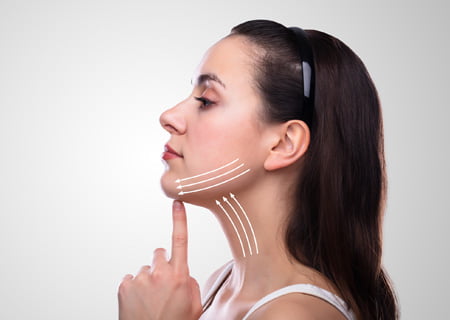
Yes, in selected cases. Some patients combine eyelid surgery with brow lift, facelift, neck lift, laser resurfacing, or other facial procedures. The decision depends on anatomy, safety, recovery planning, and the patient’s goals.
When should I call the clinic after surgery?
Call if something feels outside the expected recovery pattern: sudden vision changes, severe pain, rapidly increasing swelling, bleeding that does not stop, fever, spreading redness, pus-like drainage, or inability to close the eye. Do not wait with vision symptoms.
Sources
- MyHealth Alberta: Eyelid surgery before-care and after-care guidance.
- Canadian Society of Plastic Surgeons: Blepharoplasty patient information and risk considerations.
- American Academy of Ophthalmology: Upper eyelid blepharoplasty patient guidance.
- Dr. Kristina Zakhary / Facial Cosmetic Surgery Calgary: clinic and procedure context.