40 Is the New 20? How to Look Your Youngest Without Looking Overdone
Looking younger after 40 is not about chasing a 20-year-old face. It is about restoring the features that make the face look rested, healthy, and balanced: smoother skin, clearer facial contours, brighter eyes, better cheek support, a cleaner jawline, and a neck that still matches the face. Skincare and sun protection help preserve skin quality. Injectables and laser treatments can soften early changes. Surgery, such as facelift, neck lift, eyelid surgery, brow lift, or chin augmentation, may be more appropriate when loose skin, heavy eyelids, jowls, or neck laxity are the main concerns.
The best results usually come from choosing the right level of treatment for the actual problem — not doing “more.”
Dr. Kristina Zakhary is an Otolaryngology–Head and Neck Surgeon in Calgary with a practice focused on facial plastic and cosmetic surgery. Her background includes facial plastic and reconstructive surgery training, Royal College fellowship, and leadership within the Canadian Academy of Facial Plastic and Reconstructive Surgery.
Table of Contents
- Why “40 Is the New 20” Is the Wrong Goal
- What Actually Makes a Face Look Younger
- The Main Facial Changes People Notice After 40
- Skincare That Still Matters
- Non-Surgical Options for a Fresher Look
- When Surgery Becomes the More Honest Option
- Face, Neck, Eyes and Nose: What Each Area Needs
- Treatment Comparison Table
- A Practical Chart: Mild, Moderate and Advanced Aging Changes
- How to Avoid an Overdone Result
- Calgary and Alberta Considerations
- When to Book a Consultation
- FAQ
- Sources
Why “40 Is the New 20” Is the Wrong Goal
People also search
The phrase sounds flattering, but it sets up the wrong standard.
A 40-year-old face is not supposed to look 20. Bone structure, skin thickness, collagen, fat position, muscle tone, sun exposure, hormones, stress, weight changes, sleep, and genetics all leave their mark. That is normal. The goal of good facial rejuvenation is not to erase every sign of age. It is to reduce the tired, heavy, shadowed, or sagging features that make the face look older than the person feels.
A natural result usually keeps the character of the face. The person still looks like themselves. The eyes look clearer. The jawline looks cleaner. The neck does not pull attention downward. The cheeks have support without looking inflated. The skin looks healthier without looking waxy.
That is the difference between looking younger and looking “worked on.”
What Actually Makes a Face Look Younger
Youthfulness is not one thing. It is a combination of structure, light, skin quality, facial proportion, and movement.
A younger-looking face often has:
| Feature | Why It Matters |
|---|---|
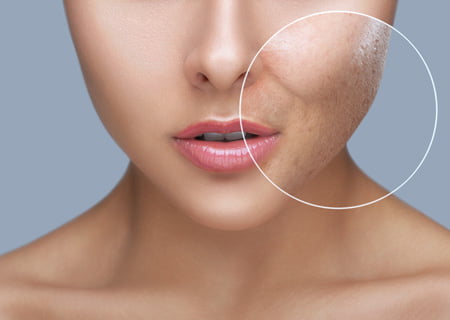
| Clear skin texture | Uneven texture, enlarged pores, sun damage, and scars catch light unevenly |
| Good cheek support | Midface volume helps the face look lifted, not hollow or tired |
| Open-looking eyes | Heavy lids, under-eye bags, and brow descent can make the face look fatigued |
| Defined jawline | Jowls and soft tissue laxity blur the lower face |
| Smooth neck contour | Neck bands, loose skin, and fullness can age the face even when the face itself looks fresh |
| Balanced nose and chin | Facial proportion affects how youthful and harmonious the face appears |
| Natural movement | A face that cannot move normally may look unnatural, even if wrinkles are reduced |
A common mistake is treating the surface only. Creams, peels, lasers, and injectables can improve skin and soft-tissue volume, but they cannot fully correct structural laxity. Surgery can reposition tissue and remove excess skin, but it cannot replace daily skin care, sun protection, and healthy habits.
The face ages in layers. The treatment plan should respect that.
The Main Facial Changes People Notice After 40
Most people do not wake up one morning and suddenly look older. The change happens gradually, then becomes more noticeable in photos, harsh lighting, or side profiles.
Common concerns after 40 include:
| Concern | What May Be Happening |
|---|---|
| Forehead lines | Repeated facial movement, skin thinning, reduced collagen |
| Drooping brows | Soft tissue descent, genetic brow position, forehead muscle changes |
| Heavy upper eyelids | Loose eyelid skin, brow descent, natural anatomy |
| Under-eye bags | Fat pad changes, skin laxity, shadowing, volume loss |
| Flattened cheeks | Loss or descent of facial fat, reduced midface support |
| Deeper smile lines | Volume shifts, skin laxity, facial movement |
| Marionette lines | Lower-face laxity and soft tissue descent |
| Jowls | Skin and deeper tissue laxity along the jawline |
| Neck bands | Platysma muscle banding and skin laxity |
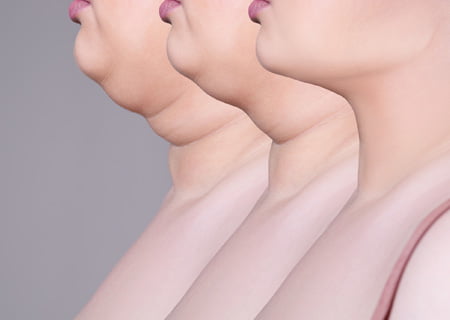
| Double chin or neck fullness | Fat deposits, weak chin support, skin laxity, anatomy |
| Dull or uneven skin | Sun exposure, pigment changes, slower cell turnover |
These concerns do not all need the same treatment. Two people may both say, “I look tired,” but one may need eyelid surgery, another may need skin resurfacing, and another may need better cheek support or a neck lift.
Skincare That Still Matters
Skincare cannot lift jowls or remove loose neck skin. But it can make a real difference to skin quality, especially when used consistently.
The basics still matter most.
Daily Sun Protection
UV exposure is one of the major causes of premature skin aging. The Canadian Dermatology Association describes photoaging as premature aging caused by repeated ultraviolet radiation exposure from the sun or artificial UV sources.
Health Canada also notes that sun exposure increases the risk of early skin aging and recommends broad-spectrum sunscreen with other sun protection measures, including limiting time in the sun and reapplying sunscreen regularly.
For Calgary and Southern Alberta patients, this matters year-round. High elevation, bright winter light, snow reflection, outdoor sports, and dry climate can all affect the skin. Sunscreen is not only a summer product.
A practical routine:
| Morning | Evening |
|---|---|
| Gentle cleanser | Gentle cleanser |
| Antioxidant serum if tolerated | Retinoid or retinol if appropriate |
| Moisturizer | Moisturizer or barrier-support cream |
| Broad-spectrum sunscreen | Targeted products for pigment, texture, or dryness |
Retinoids and Retinol
Retinoids are among the better-studied ingredients in anti-aging skincare. They may help improve fine lines, texture, and uneven tone when used properly over time. A review of retinoids in skin aging found clinical and histological improvement with several retinoid forms.
That said, retinoids are not for everyone. They can irritate sensitive skin, worsen dryness if introduced too quickly, and may not be suitable during pregnancy or breastfeeding. A medical skincare plan is safer than guessing from online trends.
Moisture and Barrier Repair
Dry skin often makes fine lines look worse. A well-moisturized face reflects light more evenly and looks calmer. In Calgary’s dry climate, barrier repair is not optional for many patients. Over-exfoliating, using too many acids, or combining aggressive products can leave skin irritated rather than younger-looking.
What Skincare Cannot Do
Skincare can improve:
- dryness
- dullness
- mild texture
- mild pigment changes
- early fine lines
- barrier function
Skincare cannot reliably correct:
- jowls
- loose neck skin
- heavy eyelid skin
- deep under-eye bags
- significant skin laxity
- weak chin projection
- structural facial imbalance
This is where many people waste money. They buy stronger creams for a problem that is not a cream problem.
Non-Surgical Options for a Fresher Look
Non-surgical treatments can be helpful when the concern is mild to moderate, especially when the main issue is movement lines, volume loss, texture, or early skin laxity. They are less useful when the face needs actual tissue repositioning.
Wrinkle Reduction Injections
Wrinkle reduction injections (like Botox) are commonly used for lines caused by repeated muscle movement, such as:
- frown lines
- forehead lines
- crow’s feet
- some neck bands
- selected lower-face muscle concerns
The goal should not be a frozen face. A good result softens strong muscle pull while keeping normal expression.
Best for: movement lines and early wrinkle prevention
Less effective for: loose skin, jowls, deep folds caused by sagging
Dermal Fillers
Dermal fillers can restore or enhance volume in selected areas, such as the cheeks, temples, lips, chin, or jawline. Used conservatively, they can make the face look less hollow and more supported.
Used poorly, fillers can make the face look puffy, heavy, or distorted.
This is especially important after 40. The face often needs support, not simple “filling.” Adding volume without understanding facial anatomy can make lower-face heaviness worse.
Best for: mild volume loss, selected contour improvements, lip support, chin balance
Less effective for: excess skin, advanced jowls, neck laxity
Skin Peels
Chemical peels can improve dullness, mild pigmentation, uneven texture, and superficial lines. The strength of the peel matters. So does the patient’s skin type, pigmentation risk, and healing capacity.
Best for: surface quality
Less effective for: sagging or deep folds
Laser Resurfacing and Fraxel-Type Treatments
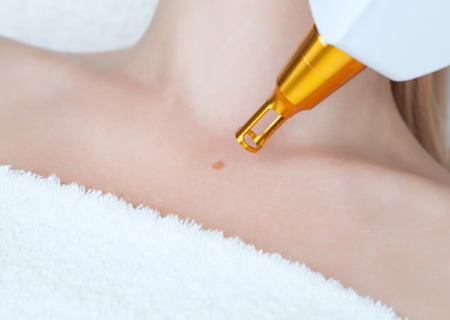
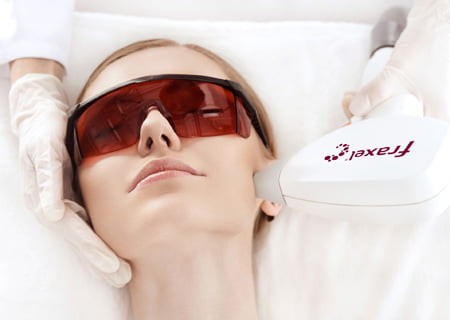
Laser resurfacing and fractional laser treatments can improve skin texture, acne scarring, sun damage, and fine lines. They work by creating controlled injury that stimulates skin repair.
These treatments require proper patient selection. Skin tone, history of pigmentation, active acne, recent sun exposure, medication use, and downtime expectations all matter.
Best for: texture, scars, fine lines, sun damage
Less effective for: heavy skin laxity or poor facial support
Medical-Grade Skincare
Medical-grade skincare may help maintain treatment results and improve skin condition before or after procedures. It is not a replacement for surgery, but it can make surgical and non-surgical results look better because the skin itself is healthier.
When Surgery Becomes the More Honest Option
Some people avoid surgery for years while spending heavily on treatments that cannot fix the real issue. This does not mean everyone needs surgery. It means the treatment should match the anatomy.
Surgery may be more appropriate when the main concern is:
- loose skin
- jowls
- heavy upper eyelids
- under-eye bags caused by fat pads or laxity
- significant neck bands
- a soft or poorly defined jawline
- neck fullness with lax skin
- brow descent
- facial imbalance caused by chin or nose proportion
The benefit of surgery is that it can address deeper structure. The trade-off is downtime, cost, surgical risk, and the need for careful planning.
A consultation is not a commitment to surgery. It is a way to find out what is actually causing the concern.
Face, Neck, Eyes and Nose: What Each Area Needs
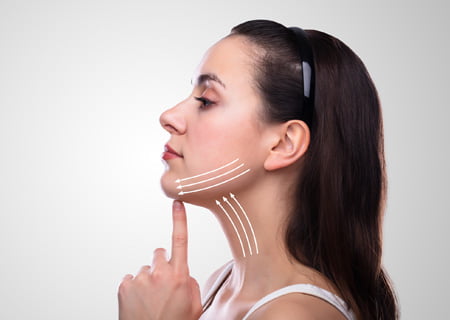
Facelift and Deep Neck Lift
A facelift and deep neck lift can address lower-face laxity, jowls, loose neck skin, and loss of jawline definition and chin-neck angle (cervicomental angle). This is not the same as simply tightening skin. Modern facial rejuvenation focuses on repositioning deeper support layers so the result looks more natural and lasts longer.
A facelift may be considered when fillers no longer give a clean result or when the face looks heavier despite good skin care.
Best for:
- jowls
- lower-face sagging
- neck laxity
- jawline blurring
- deeper facial folds related to tissue descent
- Fullness under the chin
Not ideal for:
- surface-only skin concerns
- patients not ready for downtime
- people expecting to look like someone else
Neck Liposuction
Neck liposuction may help when fullness under the chin is mainly caused by fat and the skin still has enough elasticity to contract. It is less suitable when loose skin or muscle banding is the main issue.
In some patients, the neck looks older because the chin is small or recessed. In those cases, chin support may also need to be discussed. Neck liposuction is often combined with other procedures like deep neck lift and/or facelift rather than performed as an isolated procedure, for best cosmetic results.
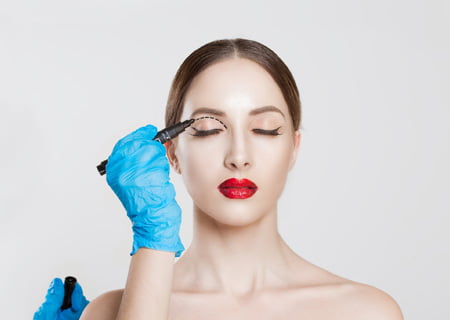
Blepharoplasty
Blepharoplasty, or eyelid surgery, can improve heavy upper lids or lower-eye bags. It often makes the face look less tired without changing the person’s identity.
Upper eyelid surgery may help when makeup transfers, the lid fold disappears, or excess skin sits on the lashes. Lower eyelid surgery may help when under-eye bags remain even after sleep, hydration, or skincare changes.
Best for:
- heavy upper eyelid skin
- puffy lower eyelids
- tired-looking eyes
- eyelid asymmetry in selected cases
Not ideal for:
- dark circles caused mainly by pigmentation
- hollowing that needs volume support
- patients with untreated dry eye or certain eye conditions without proper evaluation
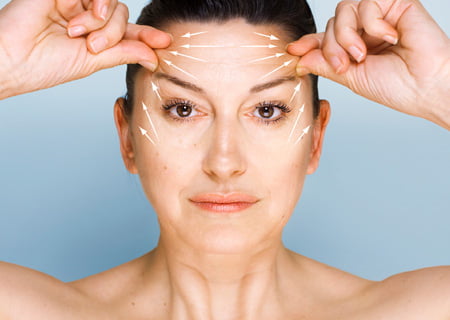
Brow Lift
A brow lift may be appropriate when brow descent makes the upper face look heavy or stern. It can also reduce the need to overuse forehead muscles to keep the eyes open.
A brow lift should be planned carefully. Too much lift can create a surprised look. The goal is usually a more open, rested upper face : not a dramatically arched brow.
Chin Augmentation
The chin has a quiet but important effect on youthfulness. A weak chin can make the neck look fuller and the jawline less defined, even in younger patients. Chin augmentation may improve facial balance and lower-face structure.
This can be relevant for patients who feel their face lacks definition but do not actually have much excess fat.
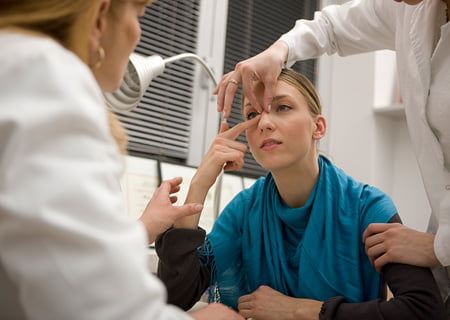
Rhinoplasty and Facial Balance
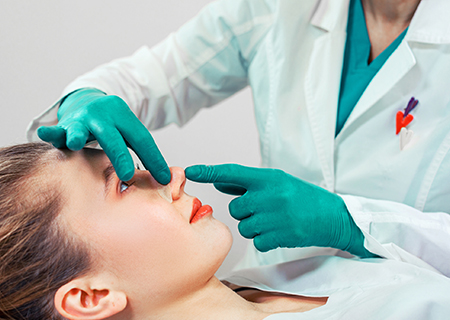
The nose does not necessarily “age” in the same way as the skin, but facial aging can make nasal proportion more noticeable. A drooping tip, dorsal hump, or imbalance between the nose and chin may affect the overall harmony of the face.
Rhinoplasty is not an anti-aging procedure in the same way as a facelift. Still, for the right patient, improving nasal balance can make the face look more refined and harmonious.
Dr. Zakhary’s practice includes rhinoplasty, facelift, deep neck lift, brow lift / forehead lift, blepharoplasty, otoplasty, earlobe surgery, laser resurfacing with Coolpeel or Deka laser, and facial cosmetic and reconstructive surgery in Calgary.
Treatment Comparison Table
| Concern | Skincare | Injectables | Laser / Peels | Surgery |
|---|---|---|---|---|
| Fine lines | Helpful | Helpful for movement lines | Helpful | Sometimes |
| Deep forehead movement lines | Limited | Often helpful | Limited | Sometimes brow-related |
| Heavy upper eyelids | No | No | Minimal | Often best option |
| Under-eye bags | Limited | Sometimes | Sometimes | Often best option |
| Cheek hollowing | No | Helpful in selected cases | No | Sometimes combined |
| Jowls | No | Limited | Limited | Often best option |
| Loose neck skin | No | Limited | Limited to mild cases | Often best option |
| Double chin from fat | No | Sometimes | No | Liposuction or neck procedure |
| Sun damage | Helpful | No | Helpful | No |
| Acne scars | Limited | Sometimes | Helpful | Sometimes |
| Weak chin | No | Temporary filler option | No | Chin augmentation may be considered |
A Practical Chart: Mild, Moderate and Advanced Aging Changes
| Stage | What You May Notice | Usual Starting Point | What Often Fails |
|---|---|---|---|
| Mild | Fine lines, dullness, early volume loss, early pigment | Skincare, sunscreen, light resurfacing, conservative injectables | Overfilling too early |
| Moderate | More visible folds, early jowls, tired eyes, soft jawline | Combination plan: injectables, laser, possible eyelid or neck evaluation | Repeating non-surgical treatments when anatomy needs surgery |
| Advanced | Loose skin, neck bands, heavy lids, clear jowls, facial descent | Surgical consultation, often combined with skin quality plan | Expecting creams or fillers to lift tissue |
How to Avoid an Overdone Result
The most common cause of an unnatural result is not one specific treatment. It is poor planning.
A natural result usually comes from restraint and proper sequencing.
Do Not Treat Every Line
Some lines belong on a human face. Removing all movement can make the face look stiff. The better goal is softening harsh lines while keeping expression.
Do Not Use Filler as a Substitute for a Lift
Filler can support. It cannot lift heavy tissue in the same way surgery can. Too much filler in an aging face can create a rounded, swollen look.
Keep the Neck in the Plan
A smooth face with an untreated neck can look mismatched. Many patients focus on cheeks or wrinkles, but the neck and jawline often reveal aging more strongly.
Think in Proportion, Not Isolated Features
A fuller lip may not help if the chin is weak. A smoother forehead may not help if the eyelids are heavy. A cheek filler may not help if the lower face is sagging. The whole face needs to be assessed.
Choose the Right Surgeon
Facial anatomy is complex. This is especially true around the eyes, nose, jawline, and neck. A surgeon-led assessment can help distinguish between skin quality, volume loss, muscle activity, fat position, bone structure, and tissue laxity.
Calgary and Alberta Considerations
Facial aging advice often comes from large coastal markets, but Calgary has its own skin challenges.
The local climate is dry. Winters are long. UV exposure can be underestimated because the weather feels cold. Outdoor activities, altitude, wind, and seasonal dryness can all affect the skin barrier. Patients may need more moisture support, more consistent sunscreen use, and a less aggressive approach to exfoliation than someone living in a humid climate.
For many Alberta patients, the best anti-aging plan is not extreme. It is steady:
- protect skin from UV exposure
- correct dryness and barrier damage
- treat texture and pigment early
- avoid overfilling
- consider surgery when laxity becomes the main issue
- maintain realistic expectations
When to Book a Consultation
A consultation is useful when you are not sure whether your concern is caused by skin, volume, muscle movement, or facial structure.
It may be time to book if:
- you look tired even when rested
- your jawline has changed
- your neck bothers you in photos
- your eyelids feel heavy or make you look older
- fillers no longer give the result they used to
- you are considering several treatments but do not know where to start
- you want a natural result and want to avoid looking overdone
Dr. Kristina Zakhary’s Calgary clinic focuses on facial plastic and reconstructive surgery and facial cosmetic surgery and non-surgical facial procedures, including facelift and neck lift, blepharoplasty, brow lift, chin augmentation, rhinoplasty, wrinkle reduction, Botox, filler injections, Coopeel and Deka laser, skin chemical peels, and related treatments.
FAQ
Can you really look 20 years younger after 40?
In most cases, that should not be the goal. Some procedures can make a person look significantly fresher, but natural facial rejuvenation is not about looking like a different age group. A good result usually makes the face look rested, balanced, and healthier while still age-appropriate.
What makes people look older after 40?
The most common causes are sun damage, collagen loss, skin laxity, volume shifts, heavier eyelids, jowls, neck changes, and changes in facial proportion. Lifestyle, genetics, weight changes, hormones, sleep, stress, and smoking can also affect how quickly these changes appear.
What is the best treatment to look younger without surgery?
It depends on the concern. Wrinkle reduction injections (like Botox) can soften movement lines. Fillers can restore selected areas of volume. Peels and laser treatments can improve texture and sun damage. Medical skincare can support skin quality. Non-surgical treatments work best when the problem is mild or moderate.
When is surgery better than injectables?
Surgery is usually more appropriate when the main concern is loose skin or loose facial tissues, jowls, heavy eyelids, neck bands, double chin, “turkey neck” or significant lower-face sagging. Injectables can help with lines and volume, but they cannot remove excess skin or reposition deeper tissue in the same way surgery can.
Will fillers make me look younger?
Fillers can help when used carefully, especially for mild volume loss or facial balancing. However, too much filler can make the face look puffy or unnatural. After 40, filler should be used with more caution because volume loss and tissue descent often happen together.
What is the best age for a facelift?
There is no perfect age. Some patients consider facial surgery in their 40s when early laxity becomes noticeable. Others wait until their 50s or 60s. The right timing depends on anatomy, skin quality, health, expectations, and whether non-surgical treatments are still giving a reasonable result.
Can a neck lift make the face look younger?
Yes, for the right patient. The neck and jawline strongly affect how youthful the face appears. Loose neck skin, neck bands, or fullness under the chin can make the whole face look older, even when the skin is otherwise healthy.
Does eyelid surgery make a big difference?
It can. Heavy upper lids and lower-eye bags often make a person look tired, sad, or older than they feel. Blepharoplasty can refresh the eye area without changing the whole face. Proper assessment is important because not all under-eye concerns are caused by excess skin or fat.
Can skincare replace cosmetic procedures?
No. Skincare can improve skin quality, dryness, fine lines, pigment, and texture, but it cannot correct significant sagging, heavy eyelids, jowls, or loose neck skin. It is best seen as maintenance and prevention, not a substitute for structural correction.
What skincare ingredient is most important after 40?
Daily broad-spectrum sunscreen is usually the most important. Retinoids or retinol may also help with texture and fine lines when tolerated. Moisturizer and barrier support are especially important in dry climates such as Calgary.
Are lasers better than fillers?
They treat different problems. Lasers improve skin surface concerns such as texture, discolouration improvement for brown spots, scars, fine lines, and some sun damage. Fillers restore volume or contour. If the problem is loose skin or tissue descent, neither may be enough on its own.
How do I know whether I need a facelift or just filler?
A simple clue is what bothers you most. If you see hollowing or loss of contour in a specific area, filler may help. If you see jowls, hanging skin, neck laxity, or a jawline that has lost definition, a facelift or neck lift consultation may be more useful.
Can facial rejuvenation look natural?
Yes. Natural-looking facial rejuvenation depends on diagnosis, restraint, proportion, and technique. The result should not erase every line or change every feature. It should reduce the signs that make the face look tired, heavy, or older than the person feels.
Is facial cosmetic surgery safe?
All surgery carries risks, including bleeding, infection, scarring, asymmetry, nerve injury, anesthesia-related risks, and dissatisfaction with the result. The risks vary by procedure and patient. A detailed consultation with your facial plastic surgeon is necessary to review health history, anatomy, goals, and realistic options.
How long do results last?
This depends on the treatment. Wrinkle reduction injections (like Botox)are temporary. Fillers vary by product and area. Laser and peel results depend on skin care and sun exposure. Surgical results are longer-lasting, but they do not stop natural aging. The face continues to change with time.
What is the most natural way to start?
Start with a proper assessment. Many people guess incorrectly. They may treat wrinkles when the real issue is eyelid heaviness, or add filler when the real issue is skin laxity. A staged plan is often better than doing several treatments at once.
Sources
- Canadian Dermatology Association: photoaging and sun protection guidance.
- Health Canada: sunscreen and early skin aging guidance.
- American Academy of Dermatology: anti-aging skincare guidance.
- Retinoids in the treatment of skin aging: clinical overview.
- Dr. Kristina Zakhary official clinic profile and services.