How to Treat a Dorsal Hump
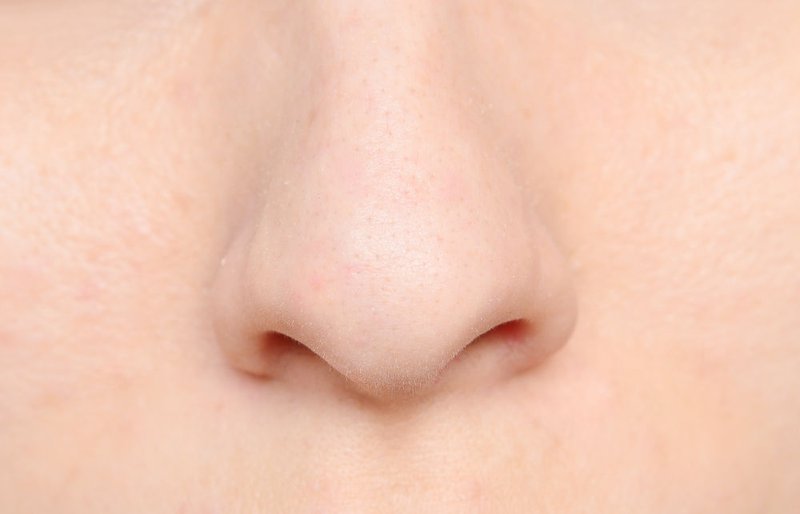
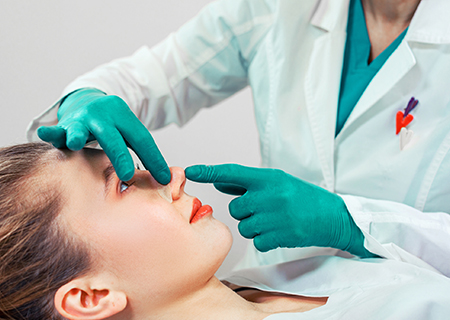
A dorsal hump can only be permanently corrected with rhinoplasty . Non-surgical treatments may temporarily camouflage the profile in selected cases but do not remove bone or cartilage. The appropriate approach depends on nasal anatomy (bone vs cartilage), skin thickness, facial balance, and whether breathing function is involved.
Table of contents
- What a dorsal hump actually is
- Why dorsal humps form
- Bone humps versus cartilage humps
- When a dorsal hump is primarily visual
- When nasal function is involved
- Non-surgical options and their limits
- Surgical treatment options
- How surgeons decide how much to reduce
- What changes and what does not
- Recovery timeline after dorsal hump correction
- Risks specific to dorsal hump treatment
- When treatment should be delayed or avoided
- Questions to ask at your consultation
- Extended FAQs
- References
What a dorsal hump actually is
A dorsal hump is a raised contour along the nasal bridge, most visible in side profile. It is created by excess bone, cartilage, or both along the dorsal line of the nose. Importantly, a hump is not a single structure; it is a shape outcome produced by how multiple nasal components meet and project.
This matters because treatment is not about “shaving a bump.” It is about re-establishing a smooth, stable dorsal line while preserving nasal support and airflow.
Why dorsal humps form
People also search
Most dorsal humps develop for one of four reasons:
- Genetics. Many people inherit a strong nasal bridge that projects more prominently than surrounding facial features.
- Growth patterns. The nasal bones and cartilages do not always grow at the same rate, creating a visible step.
- Trauma. Even minor injuries can alter cartilage alignment, with changes becoming noticeable years later.
- Previous nasal surgery. Over-resection or uneven healing can create secondary humps or irregularities.
Humps are common across ethnicities and face types. Their presence alone does not indicate a problem.
Bone humps versus cartilage humps
Understanding what forms the hump determines what can realistically be done.
| Feature | Bone-dominant hump | Cartilage-dominant hump |
|---|---|---|
| Typical location | Upper bridge | Mid to lower bridge |
| Consistency | Firm | Flexible |
| Surgical approach | Bone reshaping | Cartilage contouring |
| Response to fillers | Poor | Sometimes masks appearance |
| Risk of recurrence | Low | Depends on technique |
Many humps are mixed, which is why careful assessment matters.
When a dorsal hump is primarily visual
In many patients, the hump is cosmetic only. Breathing is normal, and internal nasal structures are stable. Treatment decisions then revolve around:
- Facial proportions
- Chin and forehead projection
- Skin thickness
- Patient tolerance for surgery versus temporary measures
A dorsal hump can look more pronounced when the nasal tip is under-projected or the chin is retrusive. In such cases, treatment may involve more than the bridge alone.
When nasal function is involved
A dorsal hump can coexist with septal deviation or internal valve narrowing, especially after trauma. In these cases:
- Removing the hump without addressing support can worsen breathing
- Structural grafting may be required
- Functional correction often takes priority over profile changes
This is why dorsal hump treatment should never be planned in isolation from nasal airflow.
Non-surgical options and their limits
Non-surgical rhinoplasty uses injectable fillers to alter the visual contour of the nose.
What fillers can do
- Smooth the appearance of a mild hump
- Create a straighter dorsal line in profile
- Temporarily balance adjacent contours
What fillers cannot do
- Remove bone or cartilage
- Reduce overall nasal size
- Provide permanent correction
Key limitations
- Effects last 6–18 months
- The nose may look larger, not smaller
- Vascular risks are real and require expert technique
| Aspect | Non-surgical treatment |
|---|---|
| Permanence | Temporary |
| Structural change | None |
| Best for | Mild visual humps |
| Repeat treatments | Required |
| Risk profile | Low but not zero |
Non-surgical treatment is not a substitute for rhinoplasty. It is a temporary aesthetic option for carefully selected patients.
Surgical treatment options
Surgery is the only method that removes or reshapes the structures creating a dorsal hump.
Traditional dorsal reduction
This involves controlled removal of excess bone and cartilage to create a smooth bridge. Precision is critical. Over-resection can destabilize the nose.
Dorsal preservation techniques
In selected cases, surgeons may lower the entire dorsal unit rather than removing it. This preserves natural contours and can reduce irregularities. Not all noses are suitable for this approach.
Structural rhinoplasty
When hump reduction affects nasal support, grafts may be used to maintain function and long-term stability.
| Surgical goal | How it is achieved |
|---|---|
| Smooth profile | Controlled reshaping |
| Stable airway | Structural support |
| Natural transition | Balanced contouring |
The technique chosen depends on anatomy, not trends.
How surgeons decide how much to reduce
Experienced surgeons do not aim for “flat.” They aim for balance.
Factors considered include:
- Forehead-to-nose angle
- Tip projection and rotation
- Skin thickness
- Gender and ethnic norms
- Long-term structural behavior
Small differences matter. Removing an extra millimeter can change how the nose ages over decades.
What changes and what does not
It is important to understand what dorsal hump treatment affects.
It can change:
- Side profile contour
- Light reflection along the bridge
- Overall facial balance
It does not automatically change:
- Tip width
- Nostril shape
- Internal septal alignment
Additional procedures may be required to address these areas.
Recovery timeline after dorsal hump correction
Healing is gradual and uneven. The bridge often looks settled before the tip does.
| Timeframe | What is typical |
|---|---|
| Week 1 | Splint in place, swelling, bruising |
| Weeks 2–4 | Visible swelling decreases |
| Months 2–3 | Bridge feels firmer, shape clearer |
| Months 6–12 | Final refinement |
Subtle changes continue for up to a year.
Risks specific to dorsal hump treatment
All nasal surgery carries risk, but dorsal work has its own considerations.
| Risk | Why it occurs |
|---|---|
| Over-reduction | Excess bone removal |
| Irregular contour | Healing variability |
| Breathing changes | Loss of support |
| Need for revision | Structural imbalance |
These risks increase when treatment is aggressive or rushed.
When treatment should be delayed or avoided
Dorsal hump correction may not be appropriate when:
- Nasal growth is incomplete
- Expectations are unrealistic
- Breathing issues are untreated
- Skin quality limits refinement
Waiting is sometimes the safer option.
Questions to ask at your consultation
- Is my hump bone, cartilage, or both?
- Will reducing it affect breathing?
- What technique do you recommend and why?
- What will my nose look like from other angles?
- How often do you revise dorsal work?
Clear answers matter more than quick reassurance.
Frequently Asked Questions
Can a dorsal hump come back after surgery?
True recurrence is uncommon. However, swelling, scar tissue, or inadequate support can create the appearance of a hump during healing. Final assessment takes time.
Does removing a hump make the nose weaker?
It can if support structures are not preserved. Modern techniques focus on maintaining strength while refining shape.
Is dorsal preservation better than reduction?
It can be, in selected noses. Preservation is not universally applicable and depends on anatomy.
Will my nose look too straight?
A completely flat bridge often looks unnatural. Slight contour is normal and intentional.
Does skin thickness affect results?
Yes. Thick skin limits sharp definition, while thin skin reveals minor irregularities more easily.
Can fillers fix a hump permanently?
No. Fillers only mask contours temporarily and do not change structure.
Is recovery painful?
Most patients report pressure rather than pain, especially in the first week.
How soon can I exercise?
Walking immediately after surgery. Light activity after 4-6 weeks is typical. Contact sports require longer restriction.
Are results predictable?
Within limits. Healing biology introduces variability even with precise technique.
When is revision considered?
Not before 9–12 months, unless functional problems arise earlier.
References
- Health Canada — cosmetic and surgical safety guidance
- National Institutes of Health (NIH) , PubMed — peer-reviewed facial plastic surgery literature
Bottom line:
Treating a dorsal hump is not about removing a bump. It is about restoring balance without compromising structure or function. Temporary options exist, but permanent change requires surgery planned with restraint and anatomical respect.