Preservation Rhinoplasty: What It Is and Who It’s For

Key Takeaways
- Preservation rhinoplasty is a modern approach that maintains the nose's natural structure.
- It offers faster recovery, less swelling, and natural-looking results.
- Ideal for patients seeking subtle refinements without extensive tissue disruption.
- Choosing an experienced surgeon is crucial for optimal outcomes.
What is Preservation Rhinoplasty?
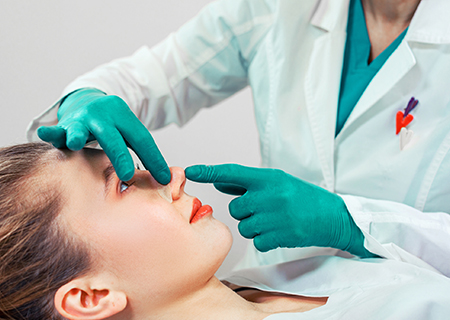
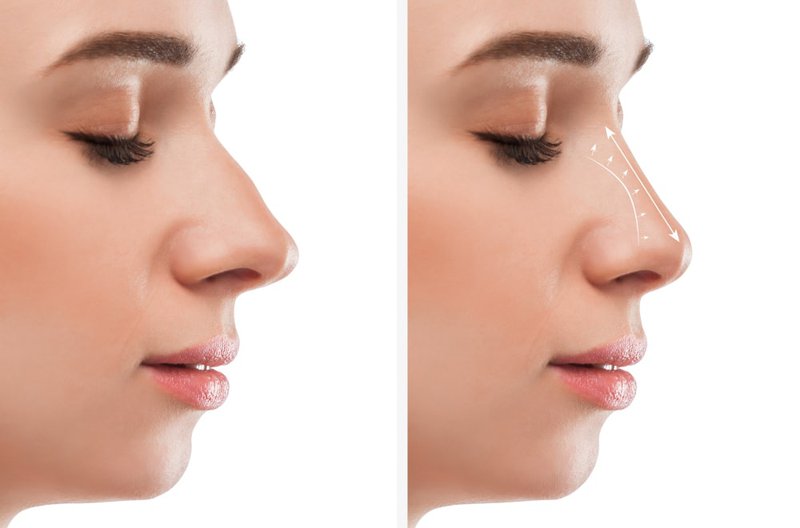
Preservation rhinoplasty is an advanced surgical technique that refines the nose while preserving its natural anatomy. Unlike traditional rhinoplasty, which often involves removing or reshaping large portions of cartilage and bone, preservation rhinoplasty focuses on maintaining structural integrity. This approach reduces trauma to the nasal tissues and supports more predictable, natural results.
The key principle behind preservation rhinoplasty is “less is more.” By minimizing the amount of tissue removed, surgeons can achieve aesthetic improvements without compromising function or facial harmony.
How Preservation Rhinoplasty Works
Preservation rhinoplasty relies on precise surgical techniques that allow the nose to be subtly reshaped while preserving its essential framework.
H3: Key Techniques
- Dorsal Preservation: The bridge of the nose (dorsum) is lowered or refined without removing large sections of bone or cartilage.
- Cartilage-Sparing Approach: Critical cartilage structures, such as the septum, are preserved to maintain long-term support.
- Minimal Soft Tissue Disruption: Smaller incisions reduce swelling and bruising, leading to a faster recovery.
People also search
This approach often involves minor adjustments rather than complete reconstruction, making it ideal for patients who want a refined, natural look.
Benefits of Preservation Rhinoplasty
Preservation rhinoplasty offers several advantages over traditional rhinoplasty:
- Natural Results: Maintains the patient’s original nasal character.
- Reduced Swelling and Bruising: Less tissue trauma means a quicker, more comfortable recovery.
- Durable Outcome: Preserved structures are less prone to long-term distortion.
- Lower Risk of Complications: Preserving key nasal structures reduces the risk of functional or cosmetic complications.
Who is a Good Candidate?
Not every patient is suitable for preservation rhinoplasty . Ideal candidates include:
- Individuals seeking subtle refinements rather than dramatic changes.
- Patients with a straight or mildly convex nasal bridge.
- Those without severe nasal trauma or extensive previous surgeries.
- Patients prioritize shorter recovery times and natural aesthetics.
Patients with complex nasal deformities, significant cartilage deficiencies, or structural abnormalities may still benefit more from traditional rhinoplasty techniques.
Recovery and Aftercare
Recovery from preservation rhinoplasty is generally quicker than traditional procedures. Typical expectations include:
- Swelling and Bruising: Mild to moderate, usually subsiding within 1–2 weeks.
- Activity Restrictions: Light activity can resume within a few days, with full physical exertion after 3–4 weeks.
- Follow-up Care: Regular check-ins with the surgeon to monitor healing.
Proper aftercare, including avoiding trauma to the nose and following all post-operative instructions, is essential for achieving the best results.
Risks and Considerations
While preservation rhinoplasty is generally safe, potential risks include:
- Minor asymmetries or contour irregularities
- Temporary numbness or swelling
- Need for revision surgery in rare cases.
Choosing a skilled, experienced surgeon is key to minimizing risks and ensuring a satisfying outcome.
Preservation Rhinoplasty vs Traditional Rhinoplasty
| Feature | Preservation Rhinoplasty | Traditional Rhinoplasty |
|---|---|---|
| Tissue Removal | Minimal | Often extensive |
| Recovery Time | Faster | Longer |
| Risk of Complications | Lower | Higher |
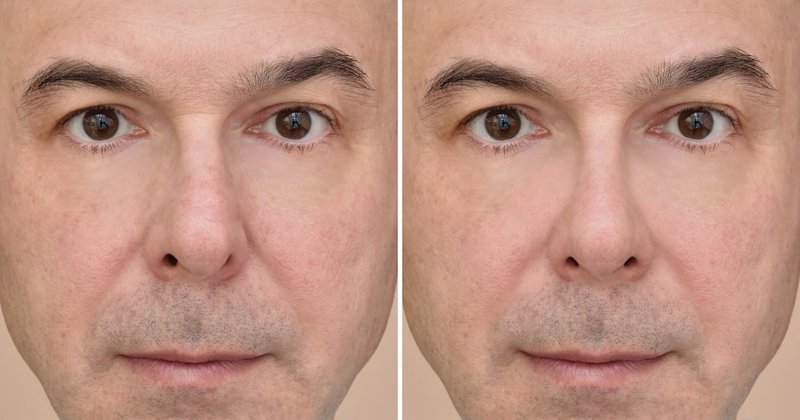
| Result | Natural-looking | Can be dramatic |
| Ideal Candidate | Subtle refinements | Significant reshaping |
Conclusion
Preservation rhinoplasty represents a modern evolution in nasal surgery, focusing on natural results, faster recovery, and structural preservation. It is ideal for patients seeking subtle improvements without extensive tissue disruption. Consulting with a board-certified surgeon experienced in this technique is essential to determine if preservation rhinoplasty is right for you.
FAQ
Is preservation rhinoplasty painful?
Mild discomfort is normal post-surgery, but pain is usually manageable with medication.
How long does the recovery take?
Most swelling subsides within 1–2 weeks, with full results visible after several months.
Can it be combined with other facial procedures?
Yes, depending on your individual anatomy and surgical goals, your surgeon may recommend combining procedures to achieve optimal balance.